25.04.2024
EMAF 37 - Eröffnung
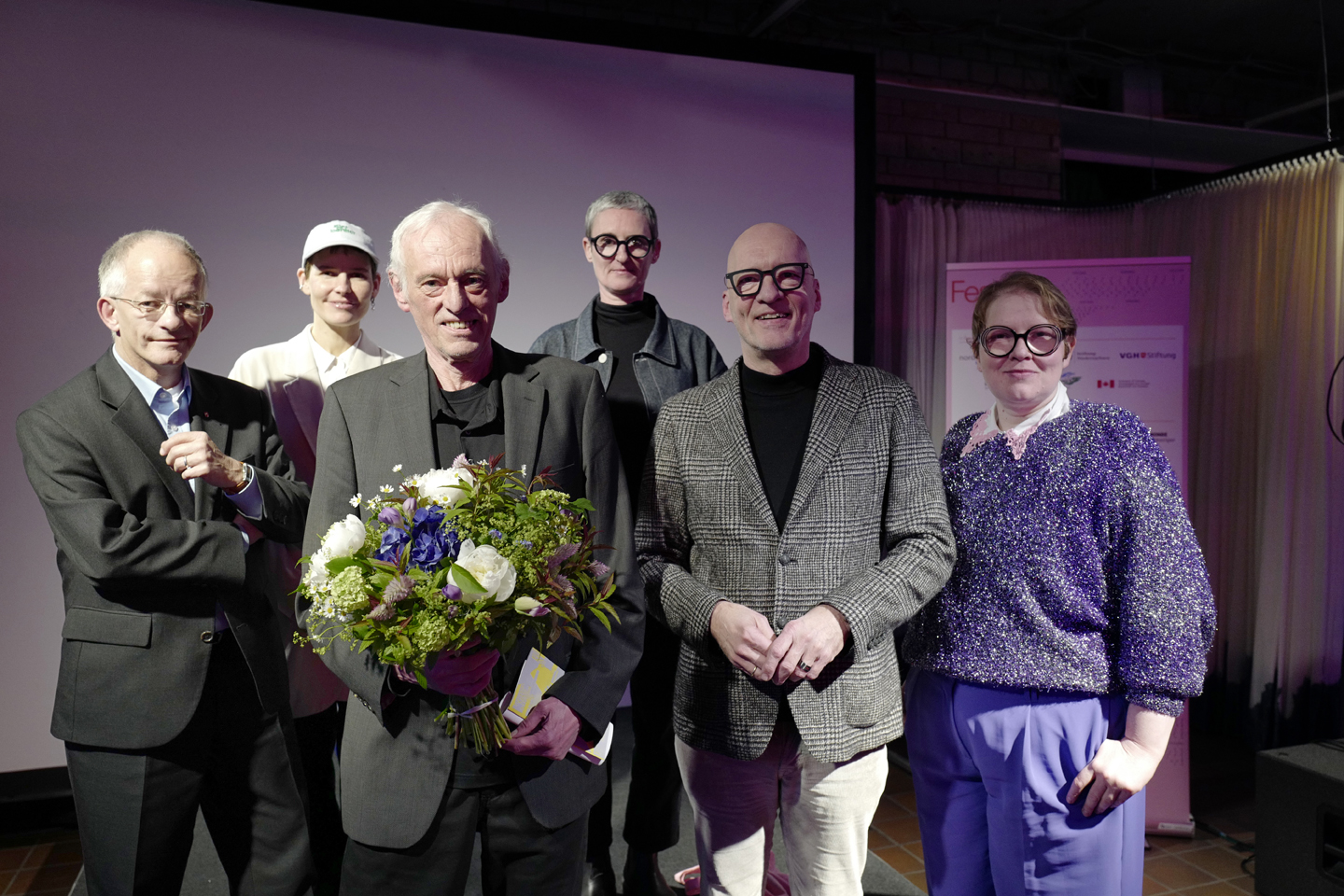
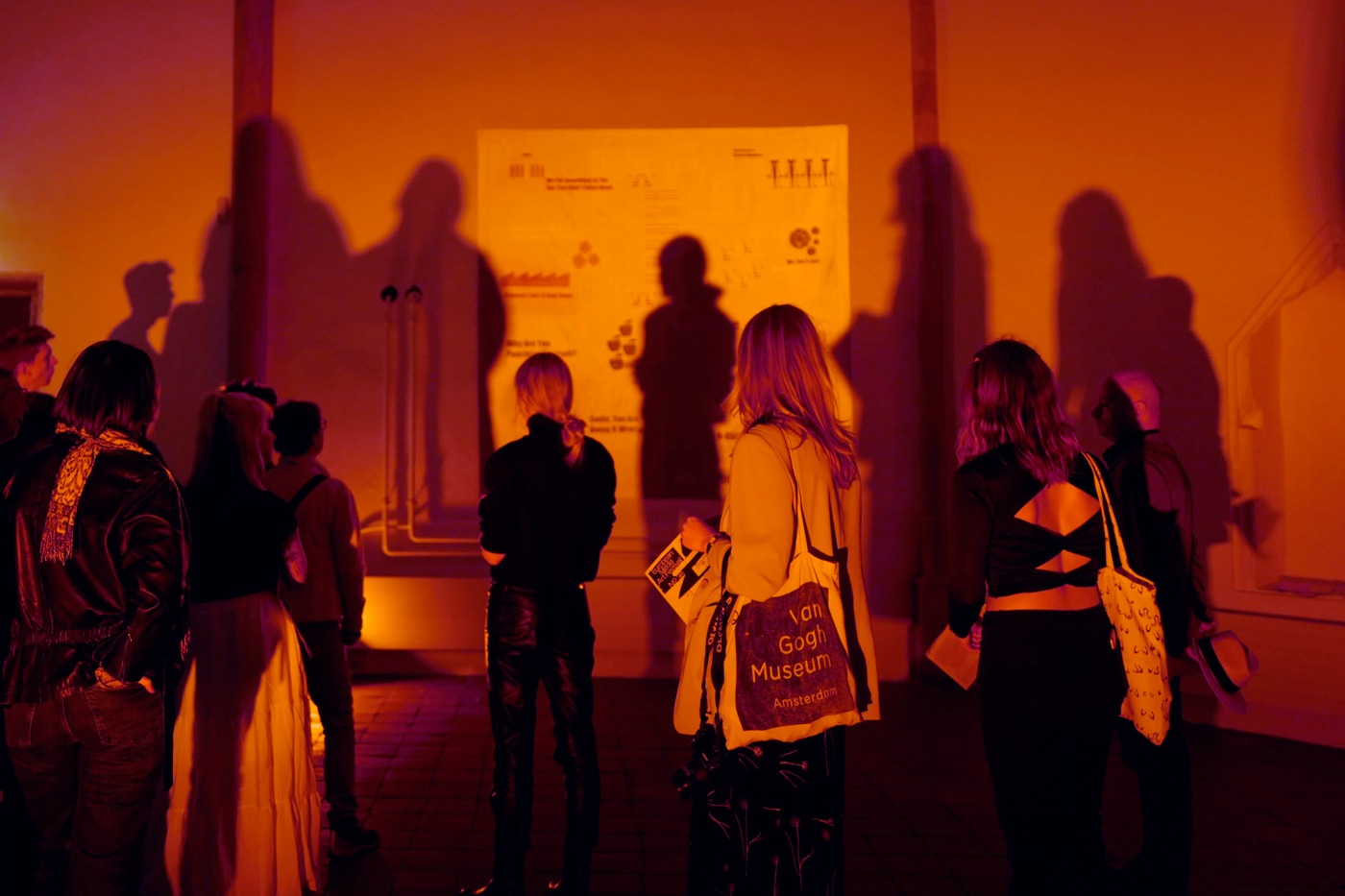
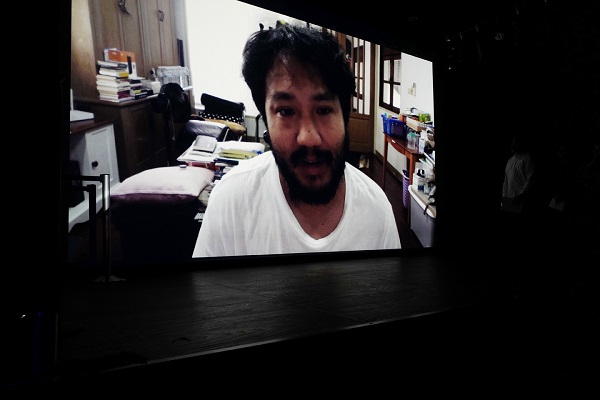
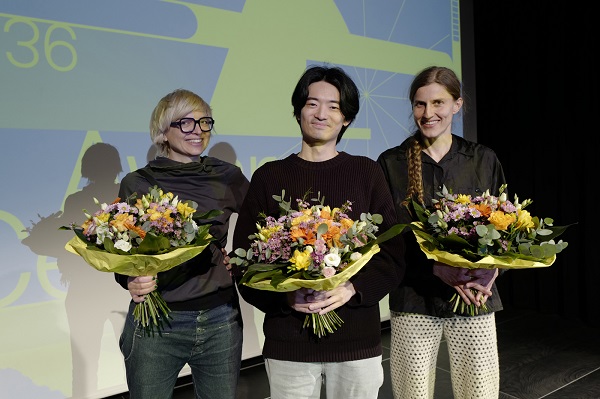
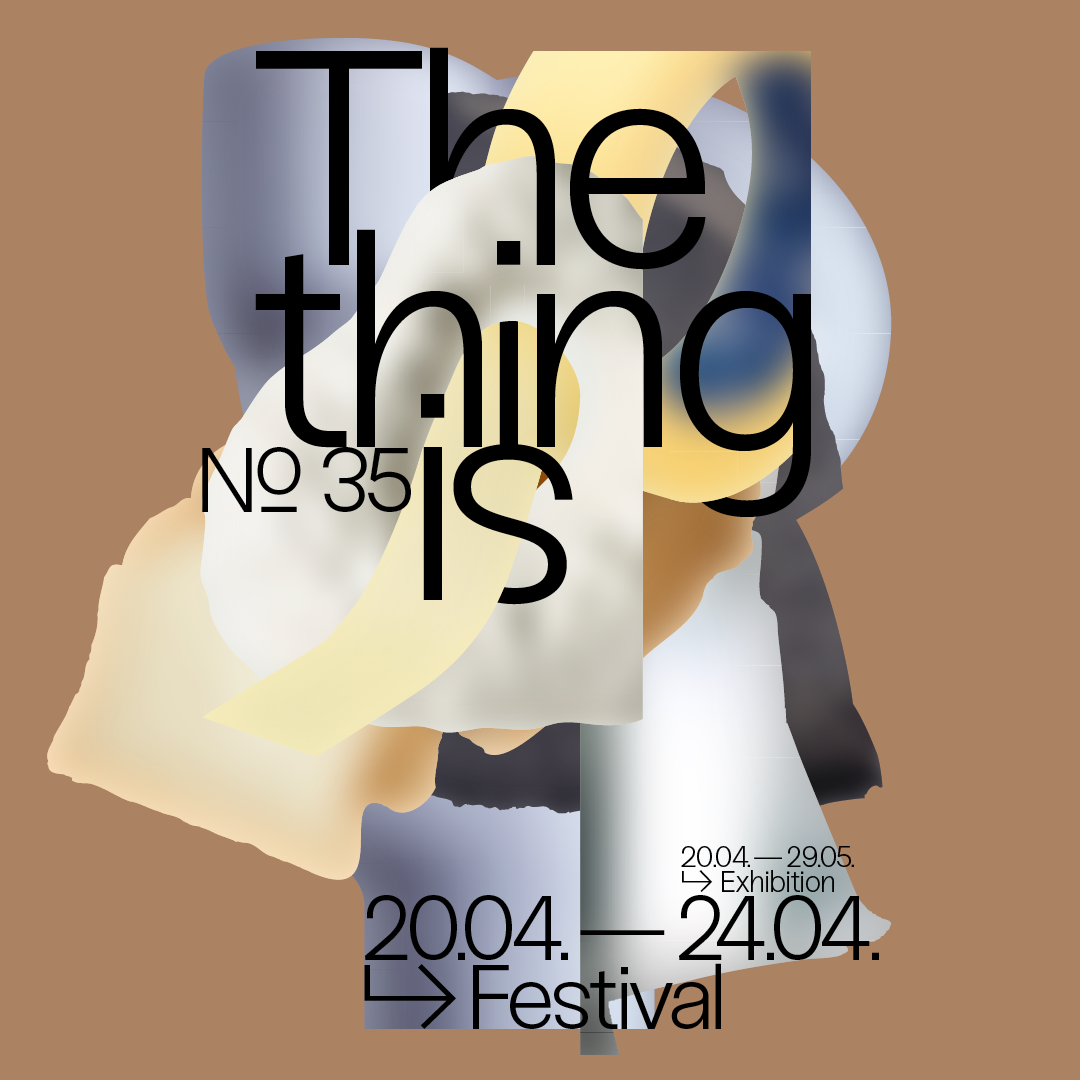
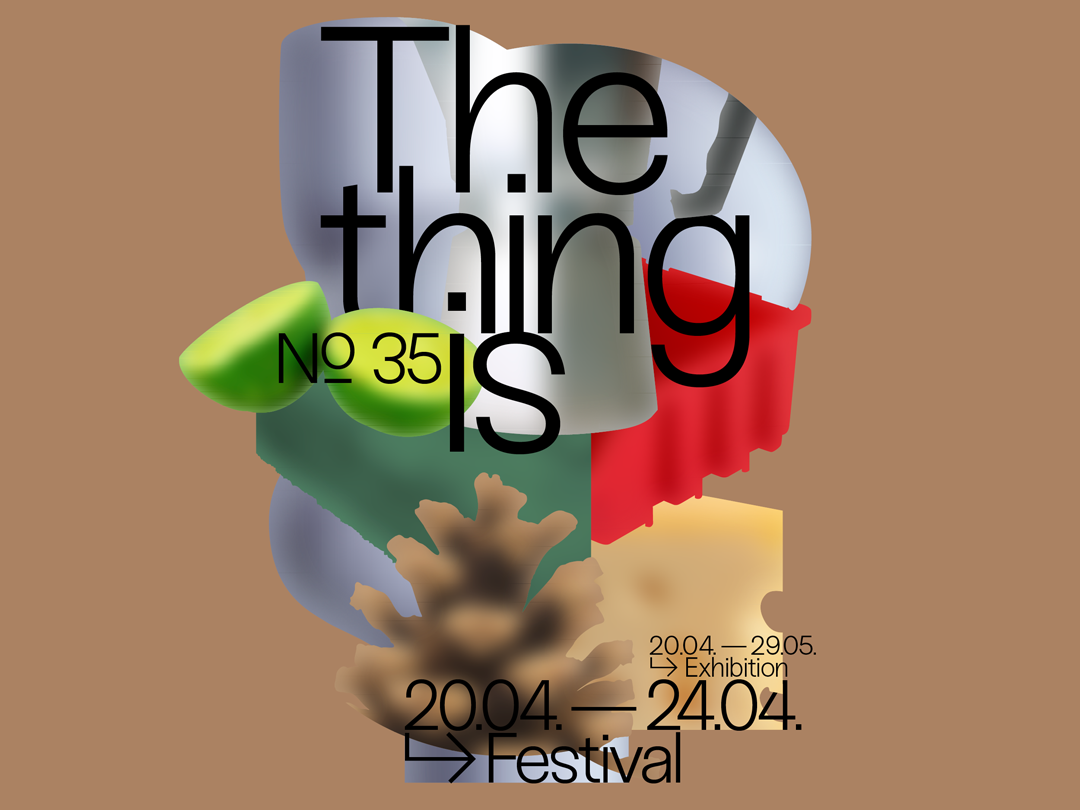
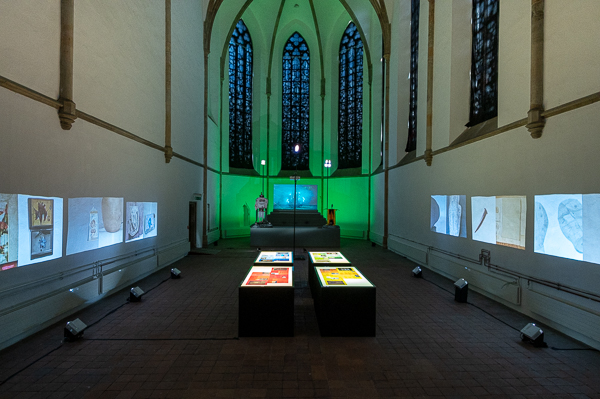
Wir freuen uns, dass gestern Abend in der Kunsthalle Osnabrück der Startschuss für fünf Tage European Media Art Festival gefallen ist. Rund 1.000 Menschen waren dabei, als Anna Jehle & Juliane Schickedanz (Leitung Kunsthalle Osnabrück), Wolfgang Beckermann (Erster Stadtrat, Stadt Osnabrück), Staatssekretär Dr. Jörg Mielke (Niedersächsische Staatskanzlei) und Alfred Rotert & Katrin Mundt (Leitung EMAF) das Festival bei recht kühlen Temperaturen eröffnet haben.
„So international und auch vom künstlerischen Ansatz her vielfältig zusammengesetzt die ausgewählten Werke sind, so international und vielfältig sind die Kuratorinnen und Kuratoren der Ausstellung und der Filmprogramme. Und so spiegeln sich in dem 5-tägigen Programm des Festivals, der Ausstellung, den annähernd 100 Filmen, den zahlreichen Performances und Wortbeiträgen auch diese vielfältigen Ansätze und Perspektiven wider“, so hat es Wolfgang Beckermann, der Erste Stadtrat der Stadt Osnabrück, gestern Abend bei der Eröffnung des 37. European Media Art Festivals in der Kunsthalle Osnabrück gesagt.
Dementsprechend geht es nun weiter mit vier Tagen vollem Programm. Hier haben wir einige Tipps für Euch zusammengestellt:
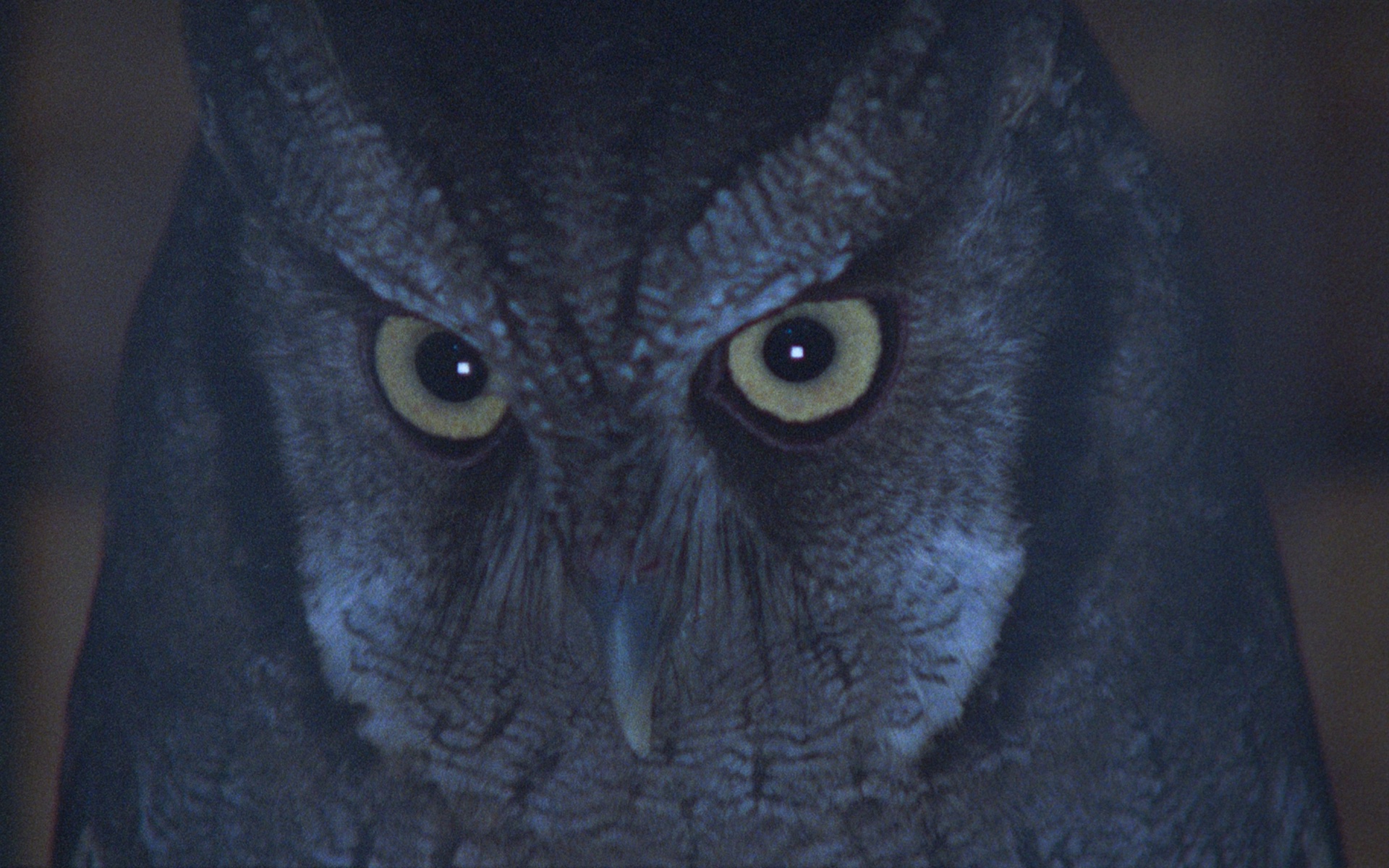
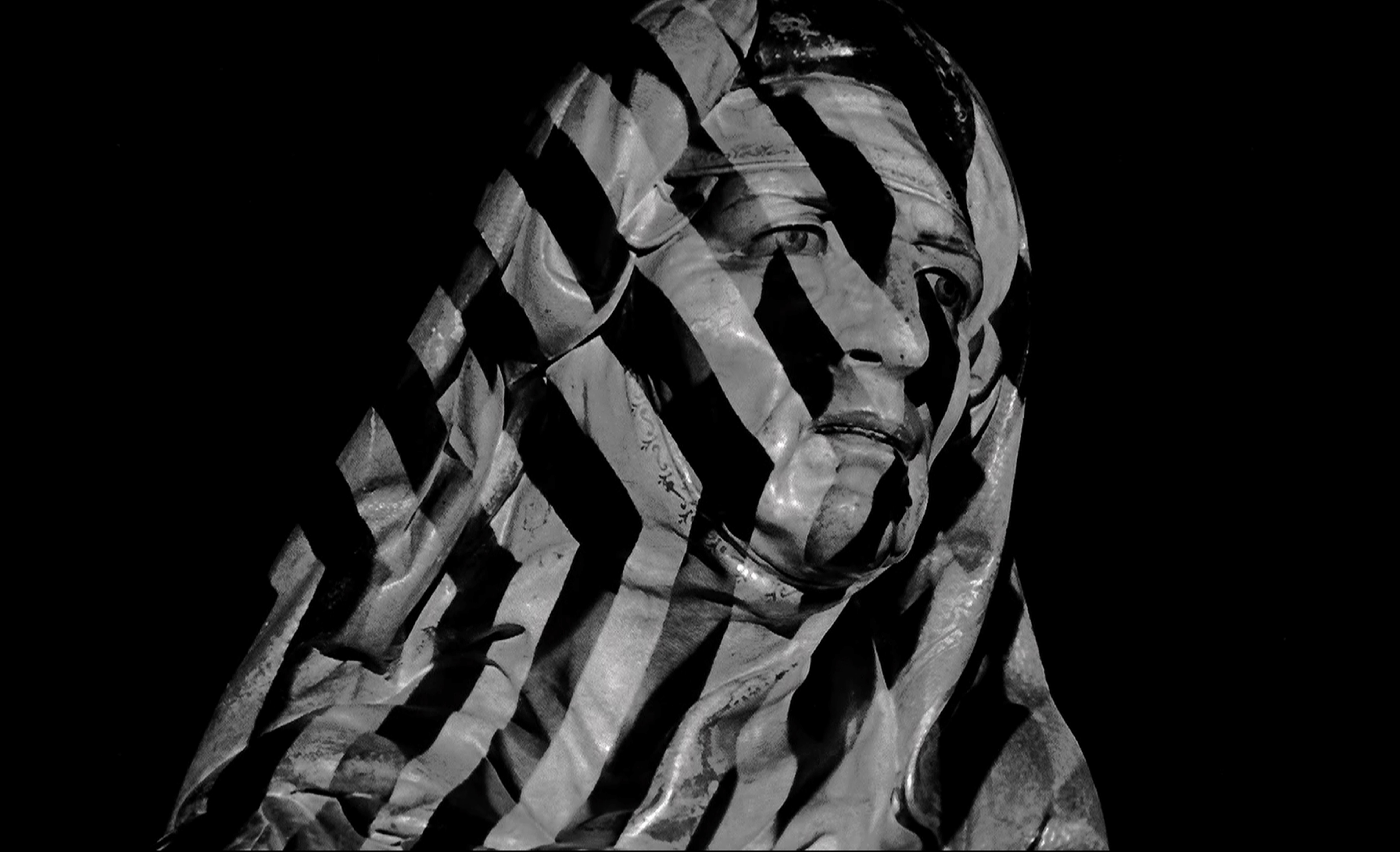
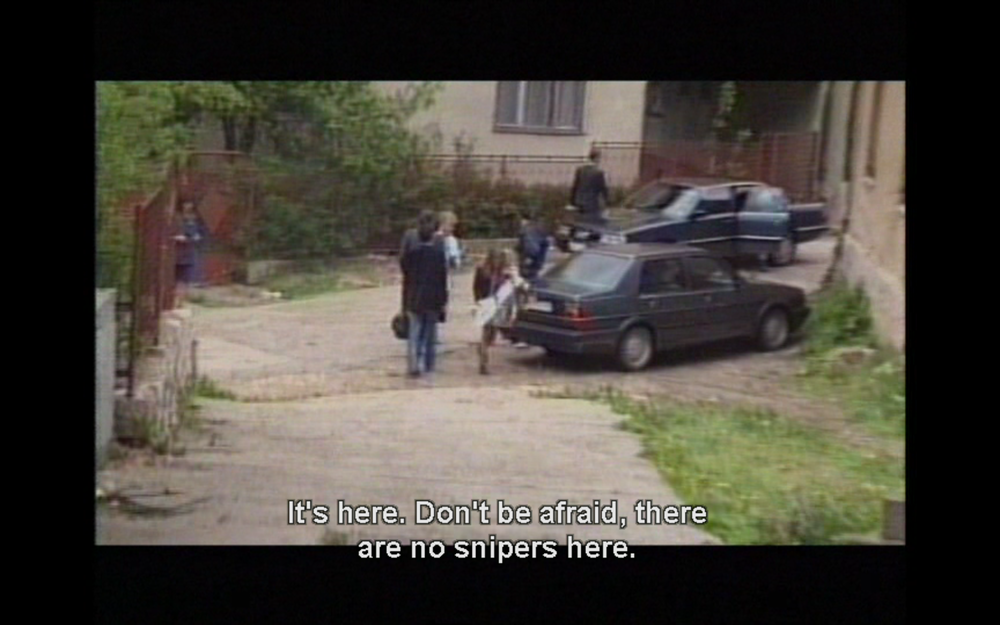
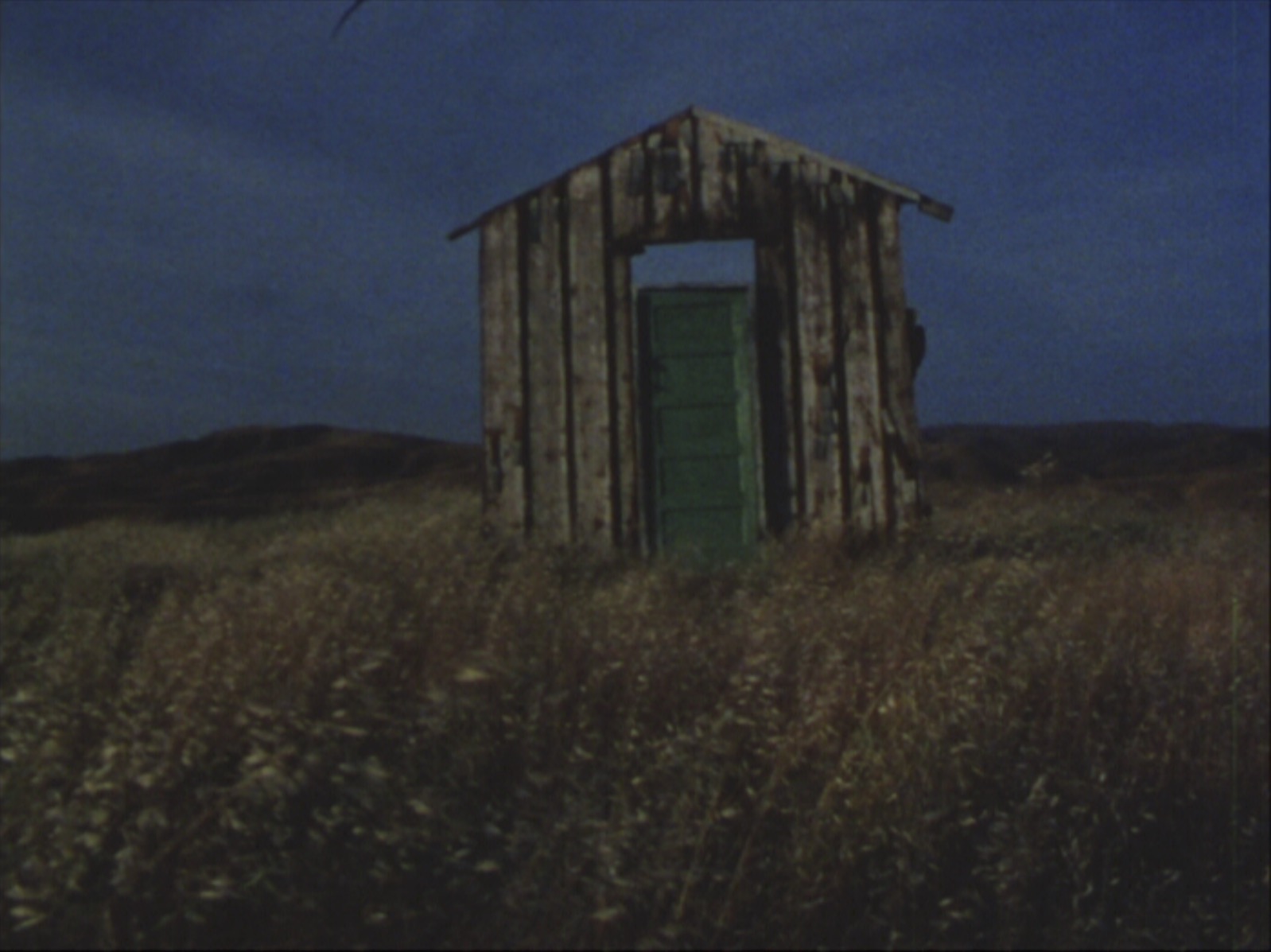
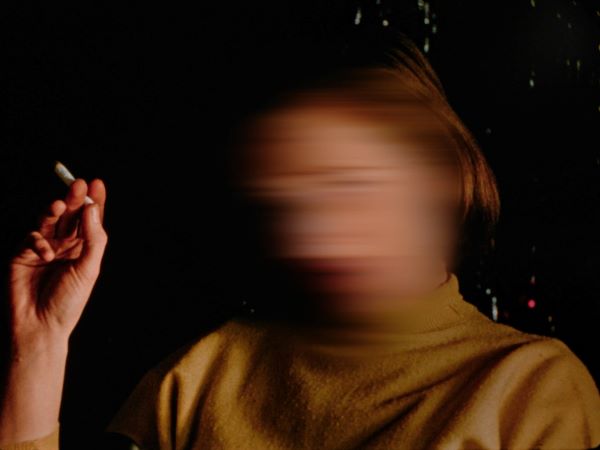
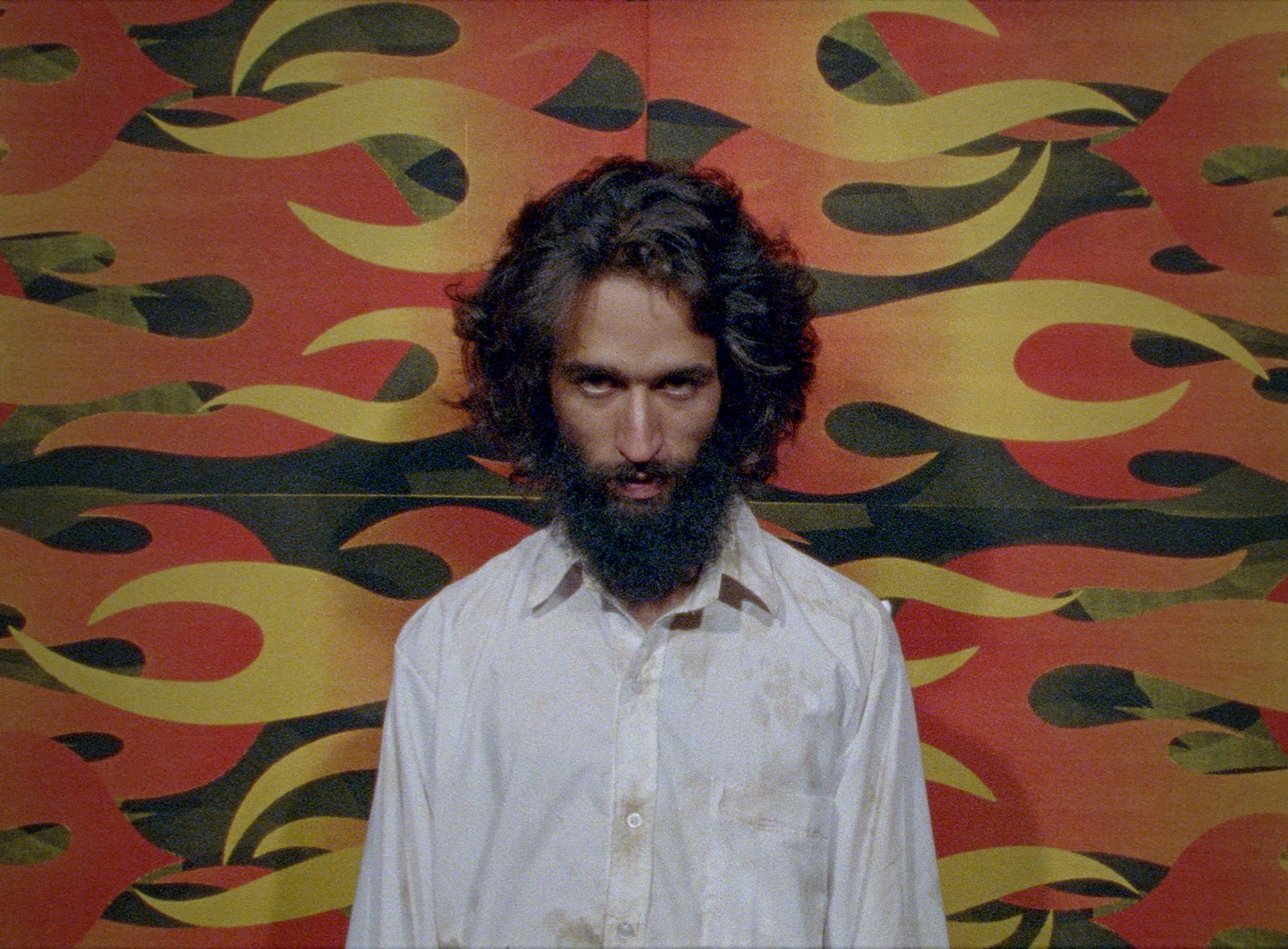
Als Teil des Themenprogramms Sudden Flash zeigen wir morgen (Freitag) um 20 Uhr 30 im Filmtheater Hasetor den Film Memoria. Es geht um die schottische Orchideenzüchterin Jessica (Tilda Swinton), die ihre Zeit in Bogotá bei ihrer Schwester und deren Familie verbringt. Ein unerklärlicher und nicht nachweisbarer Knall weckt sie auf, und sie versucht ihn aufzuspüren: um ihn nachzustellen, um ihn mit jemandem zu teilen, um herauszufinden, was er ist. Schwaden einer unbestimmten Stille machen sich zitternd bemerkbar: Jeden Moment könnten sie von einem Bild oder einem Geräusch durchschnitten werden, das keinen Ursprung und für die meisten keine Auswirkungen zu haben scheint – eine Katastrophe ohne Präzedenz oder Konsequenz.
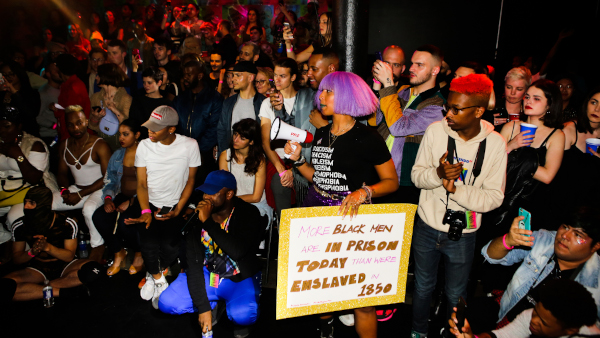
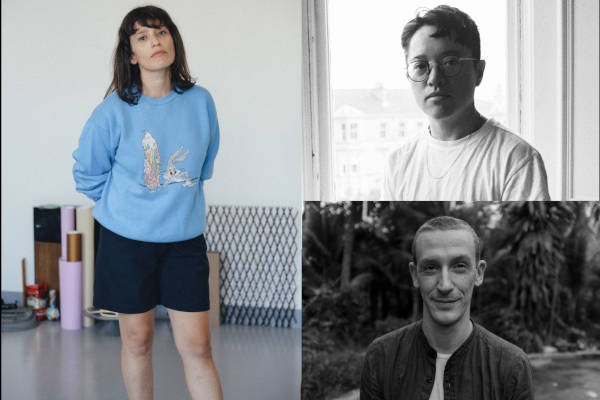
Das Panel How to Resist as an Artist? am Samstag um 15 Uhr in der Kunsthalle Osnabrück thematisiert die Hintergründe der Bewegung „Strike Germany“. Jury-Mitglied Marwa Arsanios, die Künstlerin Caitlin Berrigan und der Kulturtheoretiker und Philosoph Sami Khatib diskutieren mit Moderatorin Franziska Pierwoss darüber, welche Wirkungsmacht der Widerstand von Kulturschaffenden gegen die Diskriminierung von Filmemacher*innen von No Other Land während und nach der Berlinale durch Politik und Medien entfalten kann. Wie gehen Kulturschaffende mit Absagen, Skandalisierung und Repression um? Wie erhalten sie Räume für Widerspruch und Meinungsverschiedenheiten, ohne einzelne Stimmen aus institutionellen Kontexten auszugrenzen? Das Panel soll Gastredner*innen und Publikum Raum geben, ihre Gedanken, Erfahrungen und Strategien zu teilen.
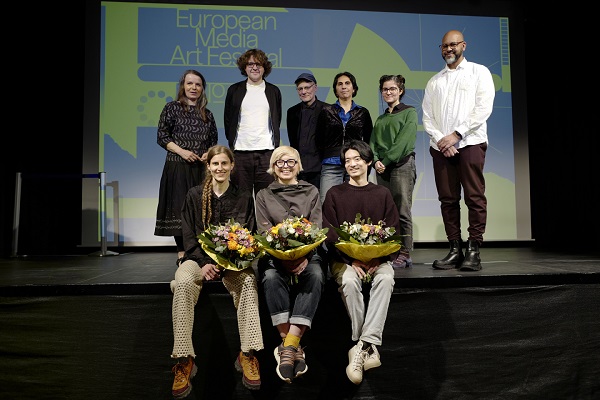
Ebenfalls am Samstag, um 19 Uhr, werden in der Kunsthalle Osnabrück drei Preise verliehen: der EMAF Award (dotiert mit 3.000 Euro), der Dialog Preis (dotiert mit 2.000 Euro) und der EMAF Medienkunstpreis des Verbands der deutschen Filmkritik (dotiert mit 2.000 Euro). Auf die Preisverleihung folgt um 20 Uhr 30 das live music set COOL FOR YOU.
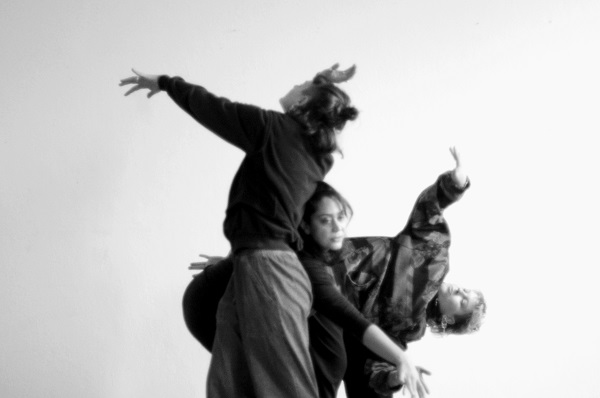
Am Sonntag ist um 14 Uhr in der Kunsthalle Osnabrück die Performance voice under – sensory assembly zu sehen, gefolgt von einem Gruppengespräch unter der Leitung von Ester M. Bergsmark and Anna Zett.
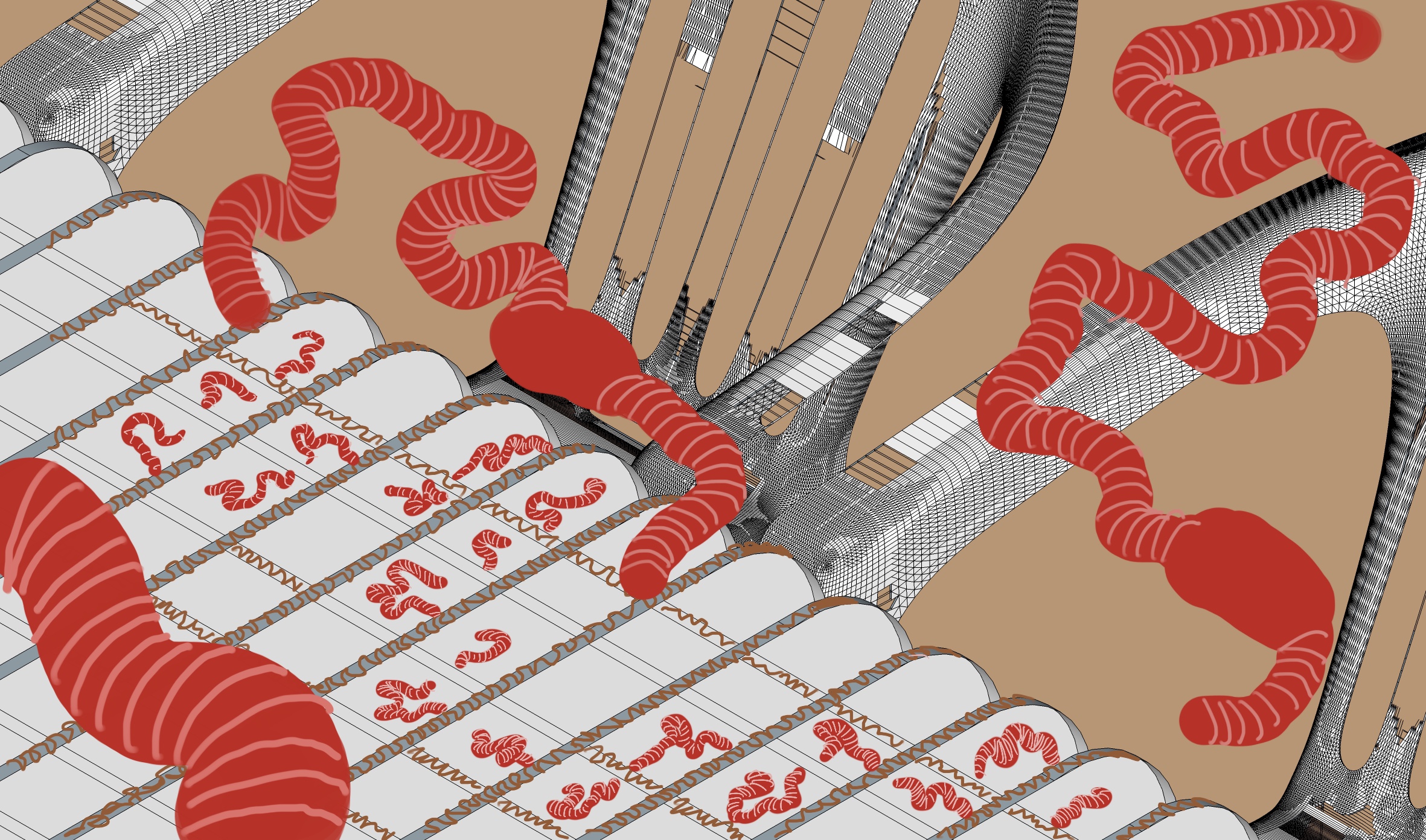
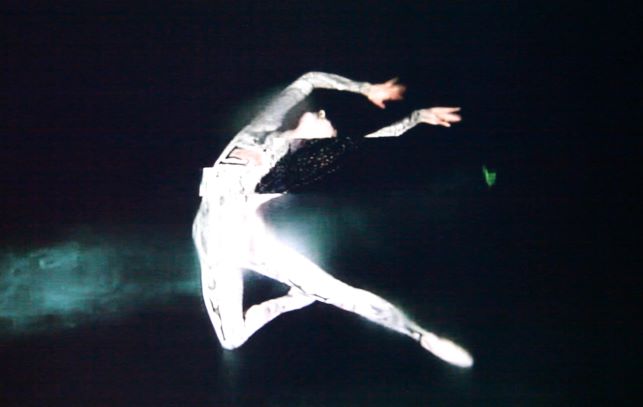
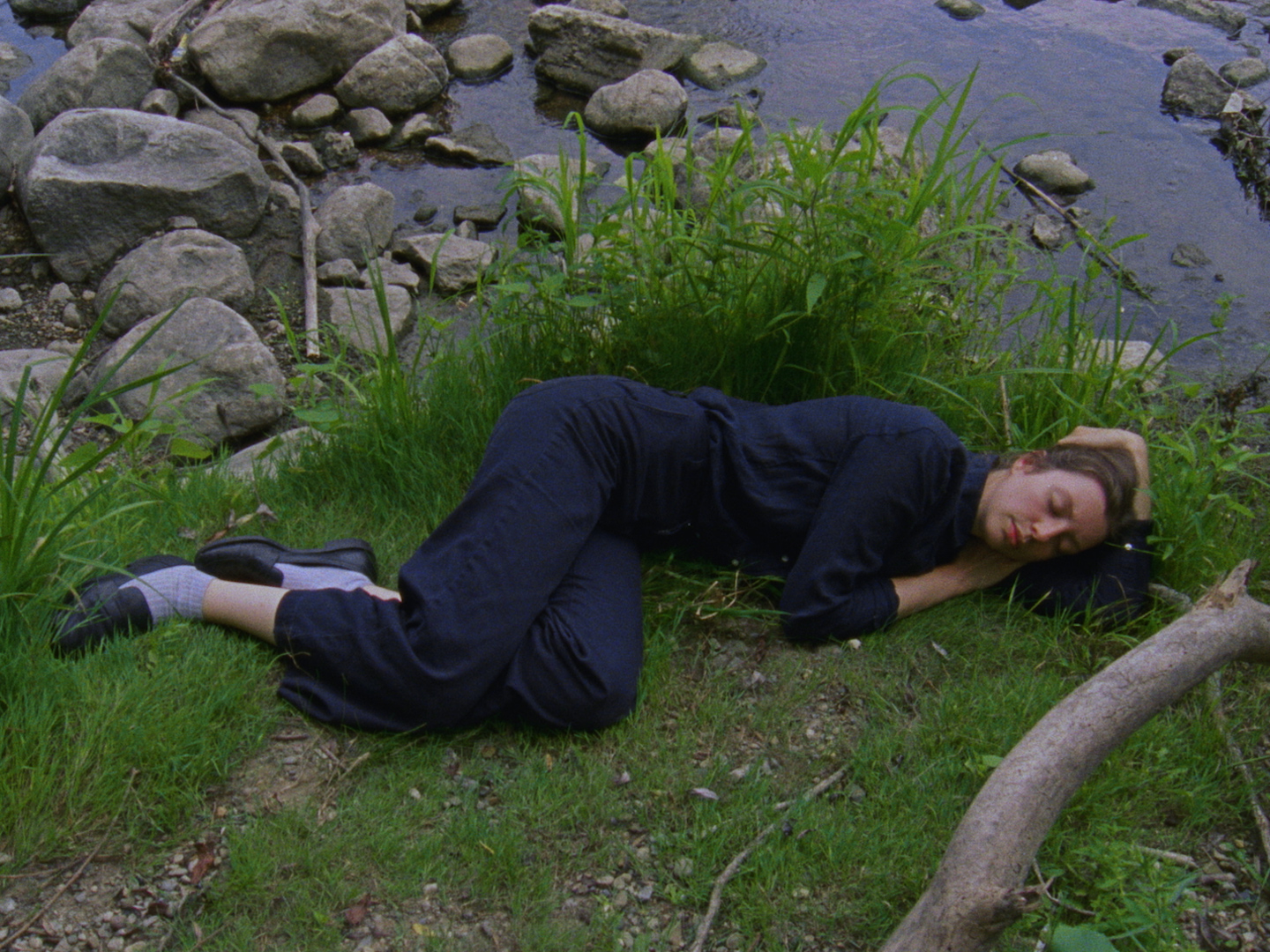
Das performative Filmscreening voice under ist eine Einladung, den eigenen Körper ins Kino zu bringen: mit den Augen hören, mit dem Rücken sehen, auf die Leinwand mit dem Gefühl der eigenen Erfahrung reagieren. Die Veranstaltung gliedert sich in drei Teile: Der erste Teil ist eine Meditation und ein 8-minütiger Film, der zweite Teil ein Brettspiel, und der letzte Teil besteht aus einem 24-minütigen Film sowie einem Moment der Stille. In dieser neuen Arbeit, die ursprünglich für den Stockholmer Kunstraum Accelerator entwickelt wurde, erforscht die Filmemacherin und Meditationsleiterin Ester M. Bergsmark den Tastsinn als eine Sensibilität, die wir mit Quallen und uralten Wirbeltieren teilen, und macht ihn als Quelle von Verletzlichkeit und Widerstand zugänglich.
30 Menschen können an der Performance teilnehmen – bitte meldet Euch unter presse@emaf.de rechtzeitig an.
Wir wünschen allen Gästen und Freund*innen des Festivals weiterhin eine gute Zeit und interessante Einblicke beim 37. European Media Art Festival!!