Film programme
EMAF’s film programmes are developed in collaboration with international curators, artists and theorists who, as members of the programming team, select the contributions for competition and feature film programmes, or are invited to develop their own thematic programmes and series.
International Selection and Feature Films
Every year, several thousand films from all over the world are submitted to the EMAF through the open call, from which a team of curators puts together the INTERNATIONAL SELECTION and FEATURE FILMS programmes. This year, they include 30 current short and four feature-length films which enter into dialogue with three additional historical works. Employing subversive energy and defiant humour, they take a stand against prescribed silence and political impotence, remember past injustices with striking clarity and bring forgotten images and words back into circulation. They explore forms of dialogue, collective action and knowledge-sharing that make alternative ways of living together imaginable, countering the infrastructures that underpin the seeming normality of the present. Situated between formal experimentation and pop-cultural playfulness and ranging from retrospective documentary reflection to critical analyses of the present, these works demonstrate the versatility of film as a political medium.
An Incomplete Assembly
The film programme THEY GAVE US FLAMES, WE MADE A FIRE curated by Ana Vaz in relation to the festival theme seeks to expand our understanding of film as a closed work. It examines practices that regard their creative processes not as a means to an end, but as an integral part of the works themselves. The series brings together films and performances that pose questions about agency of their creators, participants and users and forge connections between on-screen and off-screen, stage and backstage.
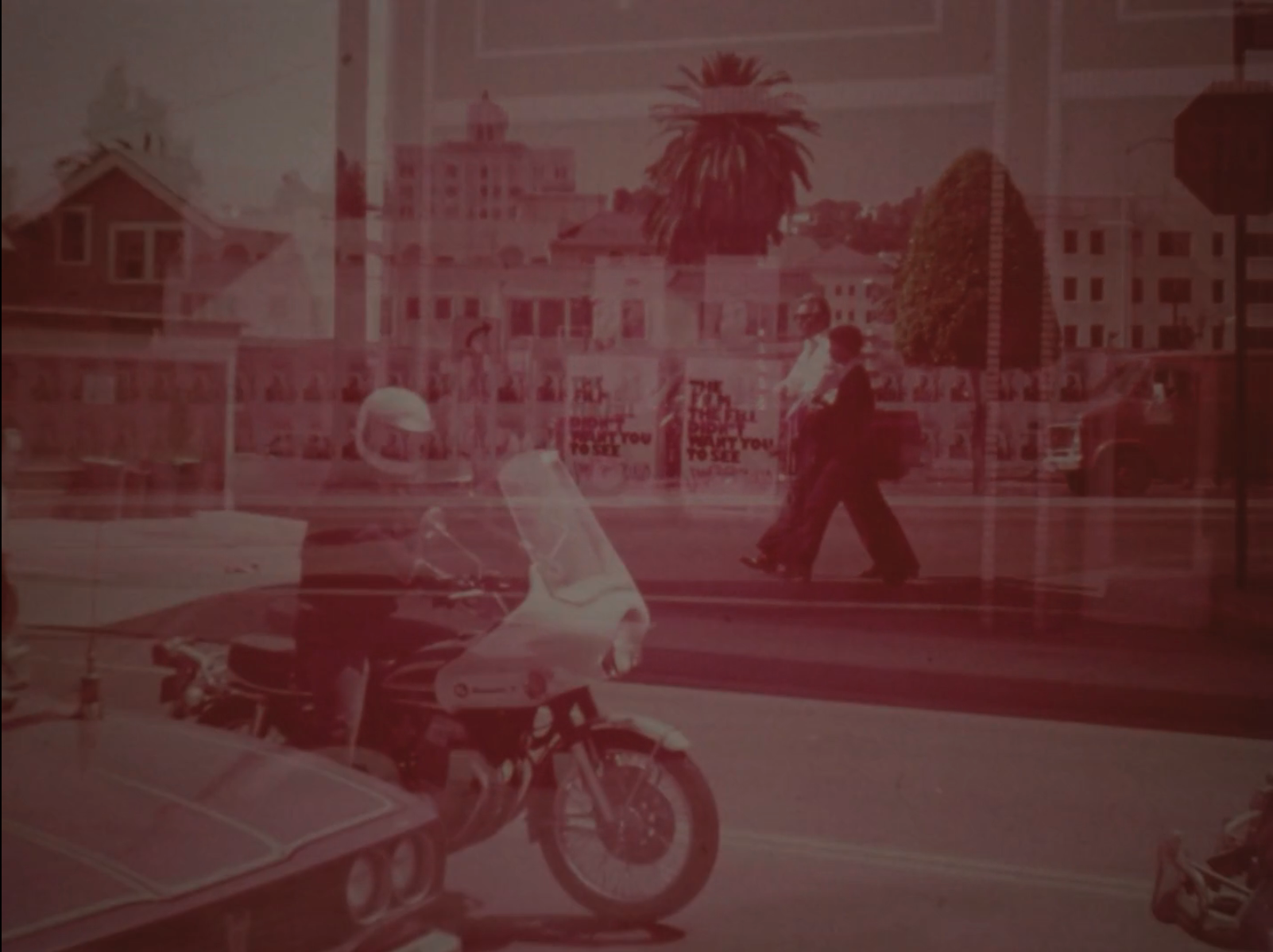
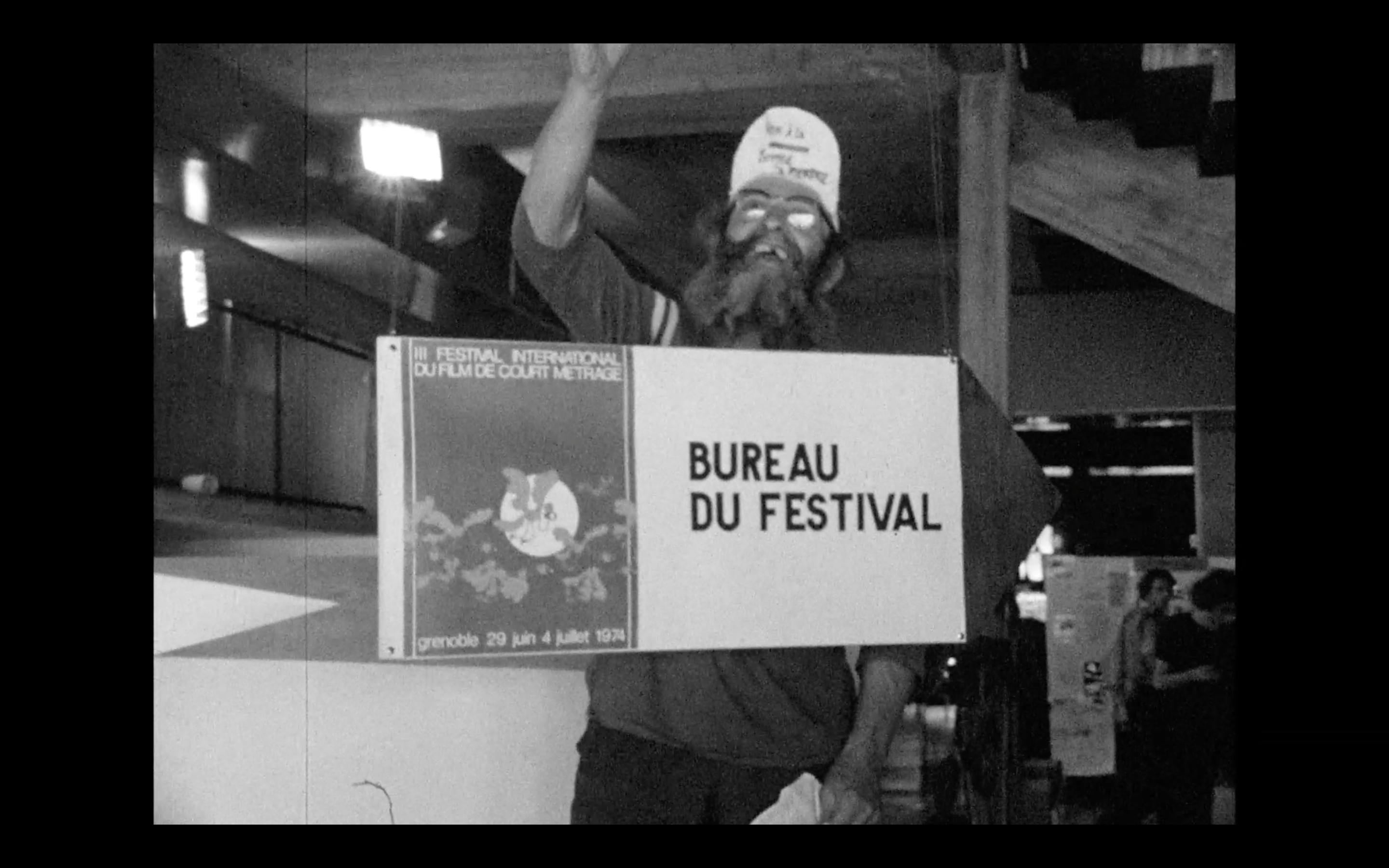
Raquel Schefer and Philip Widmann’s WHAT IS NEEDED explores the Mostra Internacional de Cinema de Intervenção, a festival that took place in post-revolutionary Portugal in 1976. It represented a unique attempt to connect different liberation and emancipation movements as well as films from the Global North and South. Fifty years later, the programme examines the possibilities of “intervention” into the institutions of a liberal, democratic, postfascist society.
Artist in Focus
This year’s ARTIST IN FOCUS series is dedicated to artist Marwa Arsanios. The centrepiece of the programme is Arsanios’s ongoing film series “Who Is Afraid of Ideology?” which she began in 2017 and in which she accompanies feminist collectives and initiatives in Iraqi Kurdistan, Syrian, Lebanon and Colombia who fight for their rights to land and self-determination, the restitution of historically shared property and the transmission of knowledge. Arsanios also presents films by other directors that enter into dialogue with her works, supplemented by workshops, readings and discussions with invited guests.
Expanded Cinema: Unburdened Recollections
The hugely successful expanded cinema series UNBURDENED RECOLLECTIONS continues this year with a new concept. Initiators Anja Dornieden and Juan David González Monroy have invited curatorial duo Mark Toscano and Zena Grey from Los Angeles to show experimental films and videos from the 1960s and 70s across two evenings. The works featured in EXPANDED CINEMA: A TRIBUTE TO GENE YOUNGBLOOD’S BOOK don’t just expand our perception but also our consciousness.
Palestine Library Frankfurt
An initiative of people and 500+ books on Palestine and other anti-colonial struggles, the Palestine Library Frankfurt holds talks, book events, and gatherings in various modes of collaboration and exchange. From Thursday to Saturday, we will read from our collection in all languages present, speak about our second annual Palestinian Liberatory Book Fair – a 3-day program which took place directly in front of the Frankfurt Buchmesse in October 2025, and discuss on-going forms of solidarity with the Palestinian struggle.
Exhibition
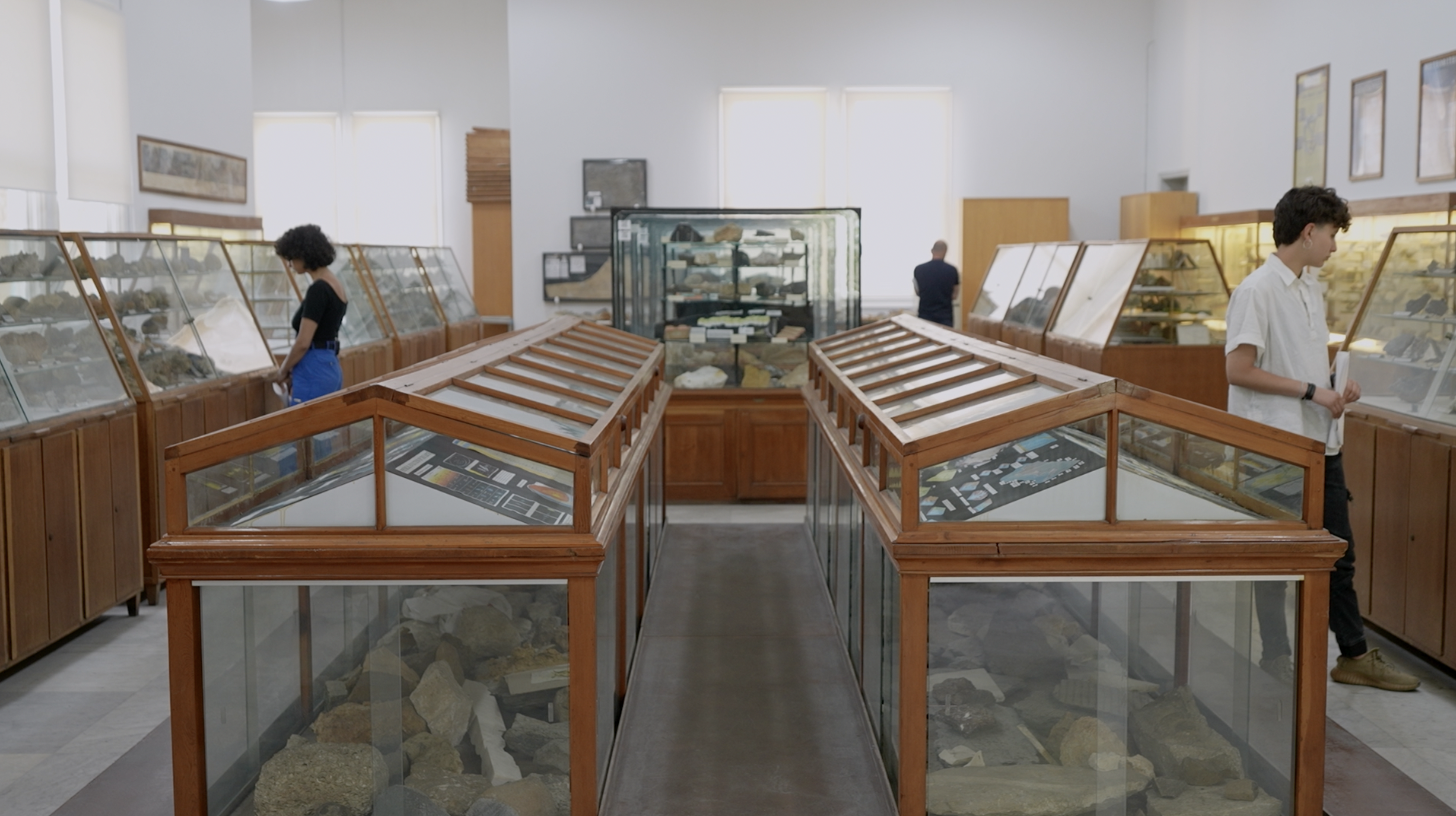
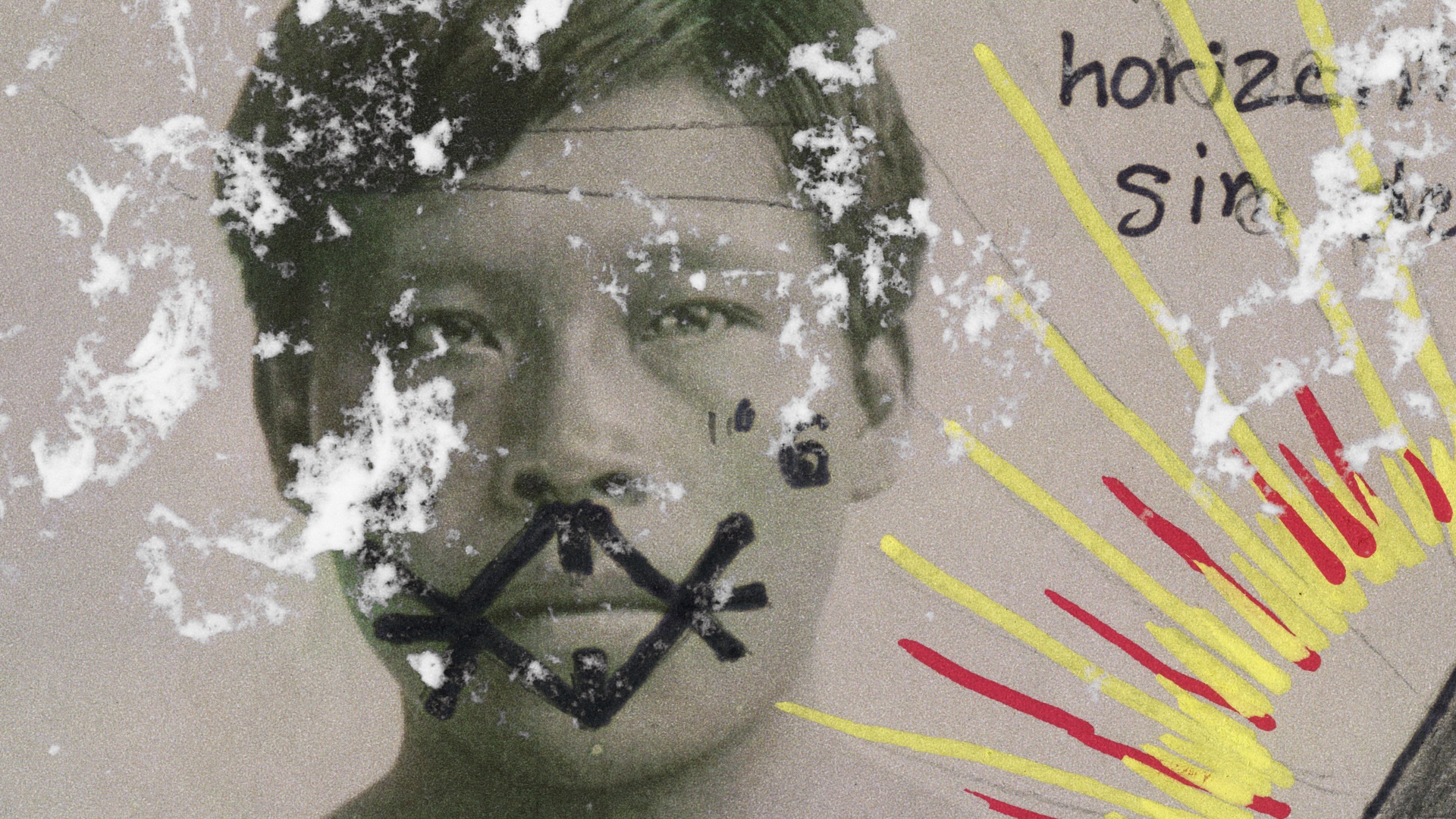
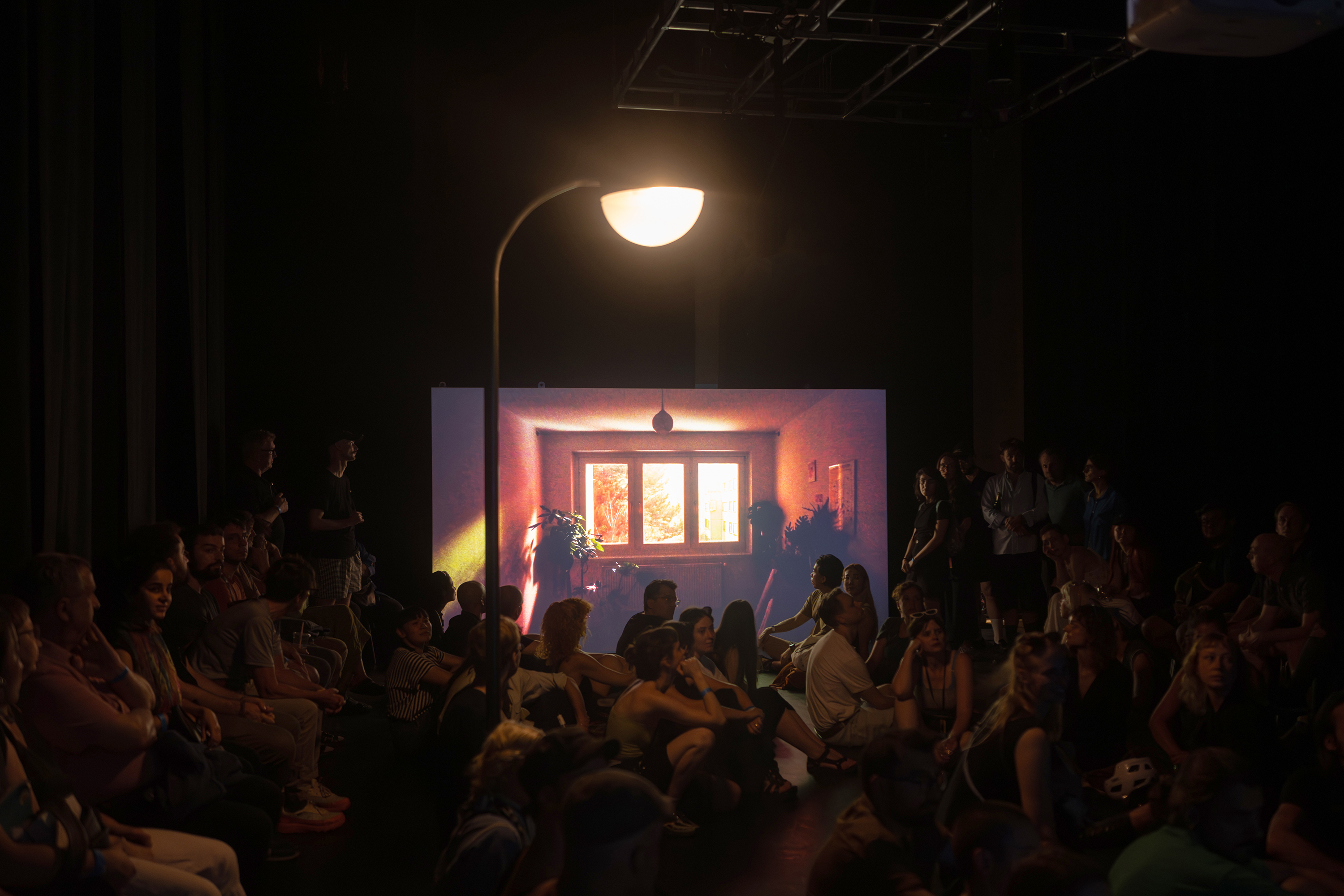
Wherever voices, images and bodies come together, forms of order are created. They structure perception, stabilise narratives and regulate who may speak, see or take action. The exhibition AN INCOMPLETE ASSEMBLY, curated by Inga Seidler, grasps assembly as a dynamic construction of inclusion and exclusion. Institutions do not appear as static systems but rather as performative ordering principles which – according to a combination of spatial arrangements, media framings and temporal regimes – organise the public realm and shape belonging.
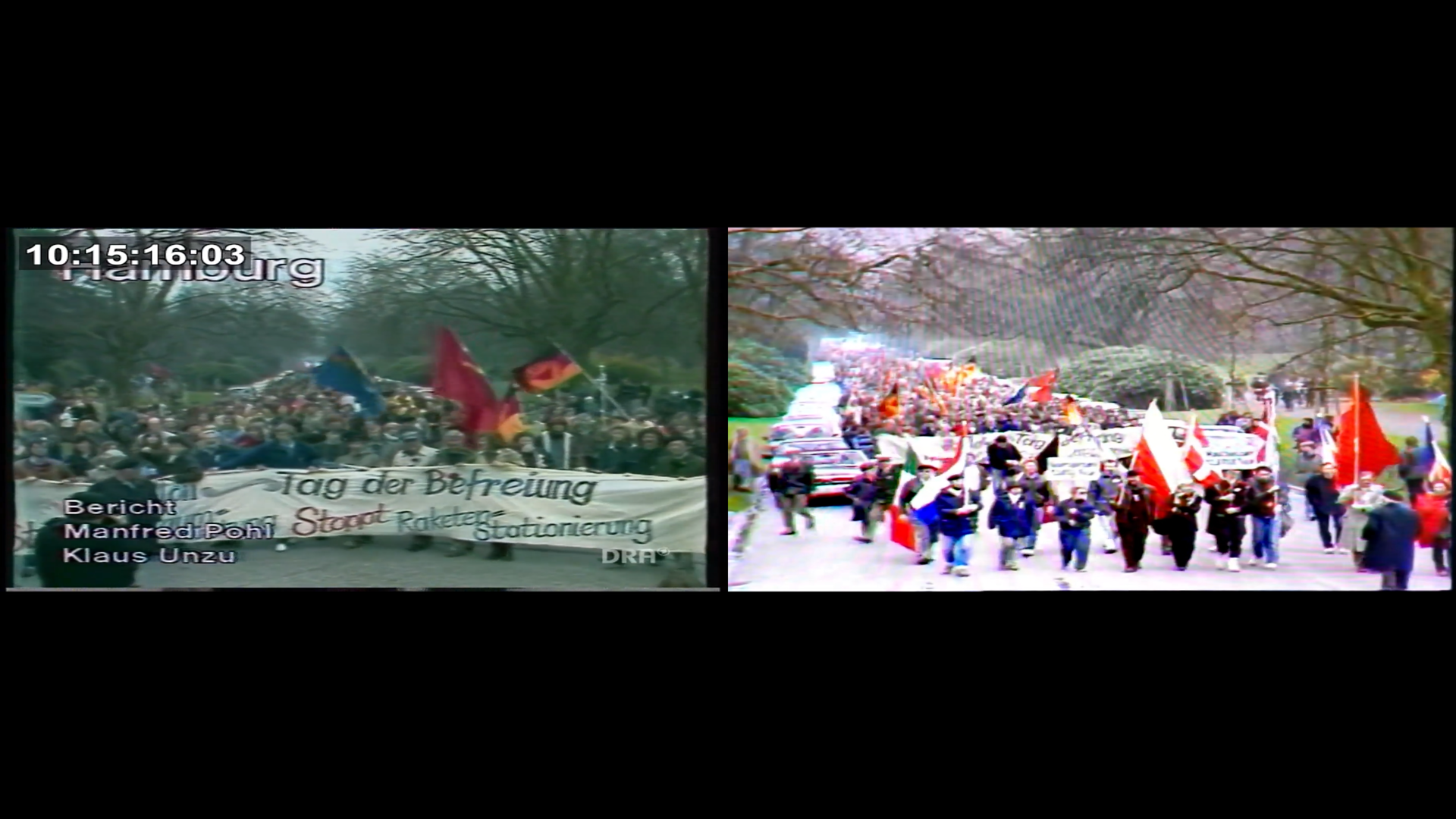
ROBIN KÖTZLE’S two-channel installation Sehen wer wir sein (s|w)ollten analyses how the media constructs political events. Excerpts from Aktuellen Kamera and Tagesschau run in parallel, reporting on protests between 1952 and 1991. When a particular event is missing in the respective other system, the screen remains black. This thus allows ideological framings and historical gaps to be experienced: what’s visible is shown to be an institutional decision – as something that can be created and refused.
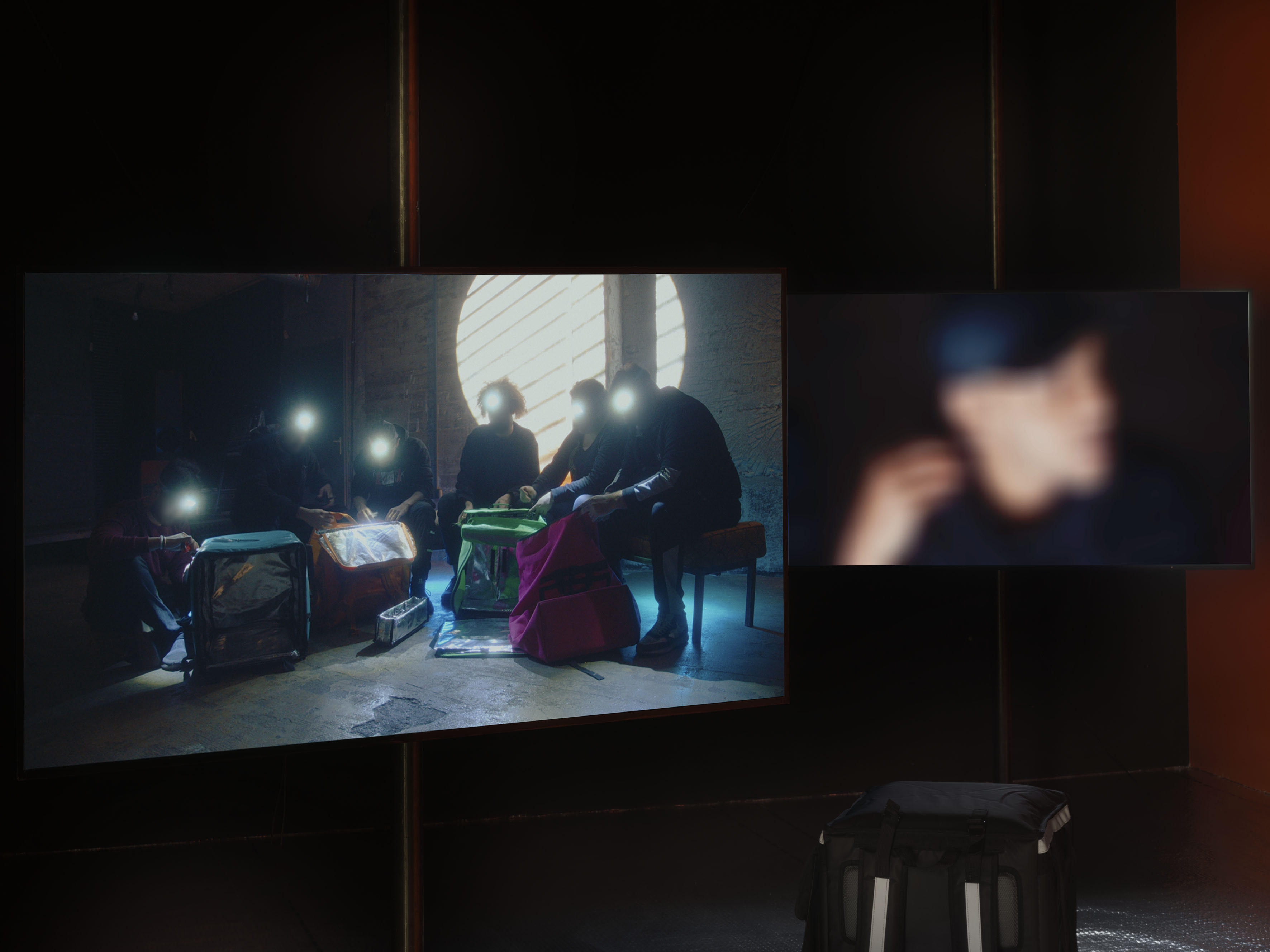
In Built to Order I, BETHAN HUGHES examines a housing estate in Berlin’s Neukölln district as an object of projection for social ideas. Archival material and new footage meet on two screens, given additional intensity by sculptural elements, light and sound. Surveillance, acts of discipline and racialised attributions can be recognised as having been inscribed into architecture, which becomes an active co-creator of social order.
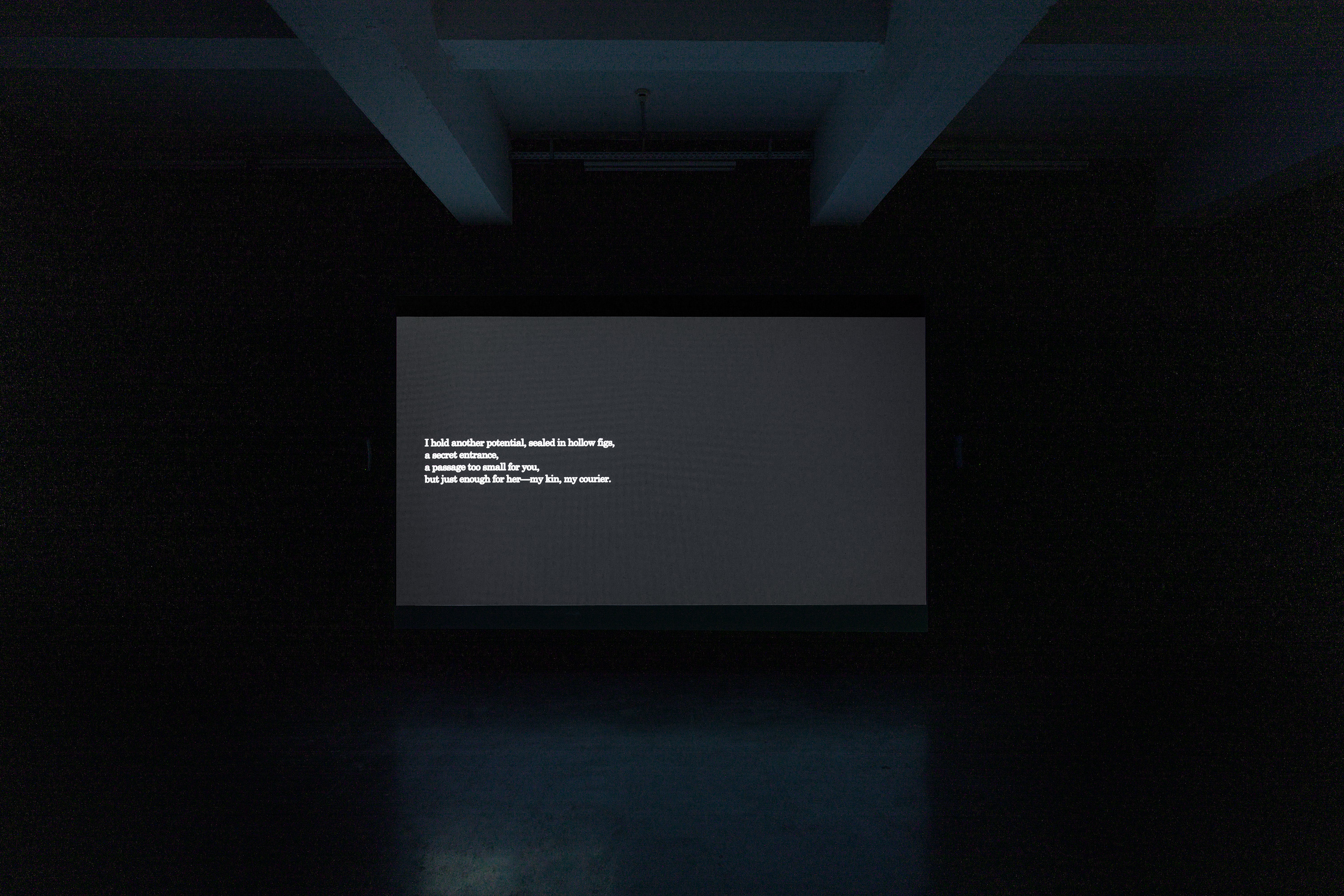
BIANCA BALDI expands this perspective to include a temporal dimension. In Hear her calendar system a year of thirteen months, she links the photograph of a fig tree from Ethiopia to administrative and calendar systems from the colonial era. Video, sketches and a vocal composition become superimposed on linear and cyclical time models. History appears as a changeable structure; as a more-than-human witness of historical violence, the tree becomes a carrier of alternative conceptions of time.
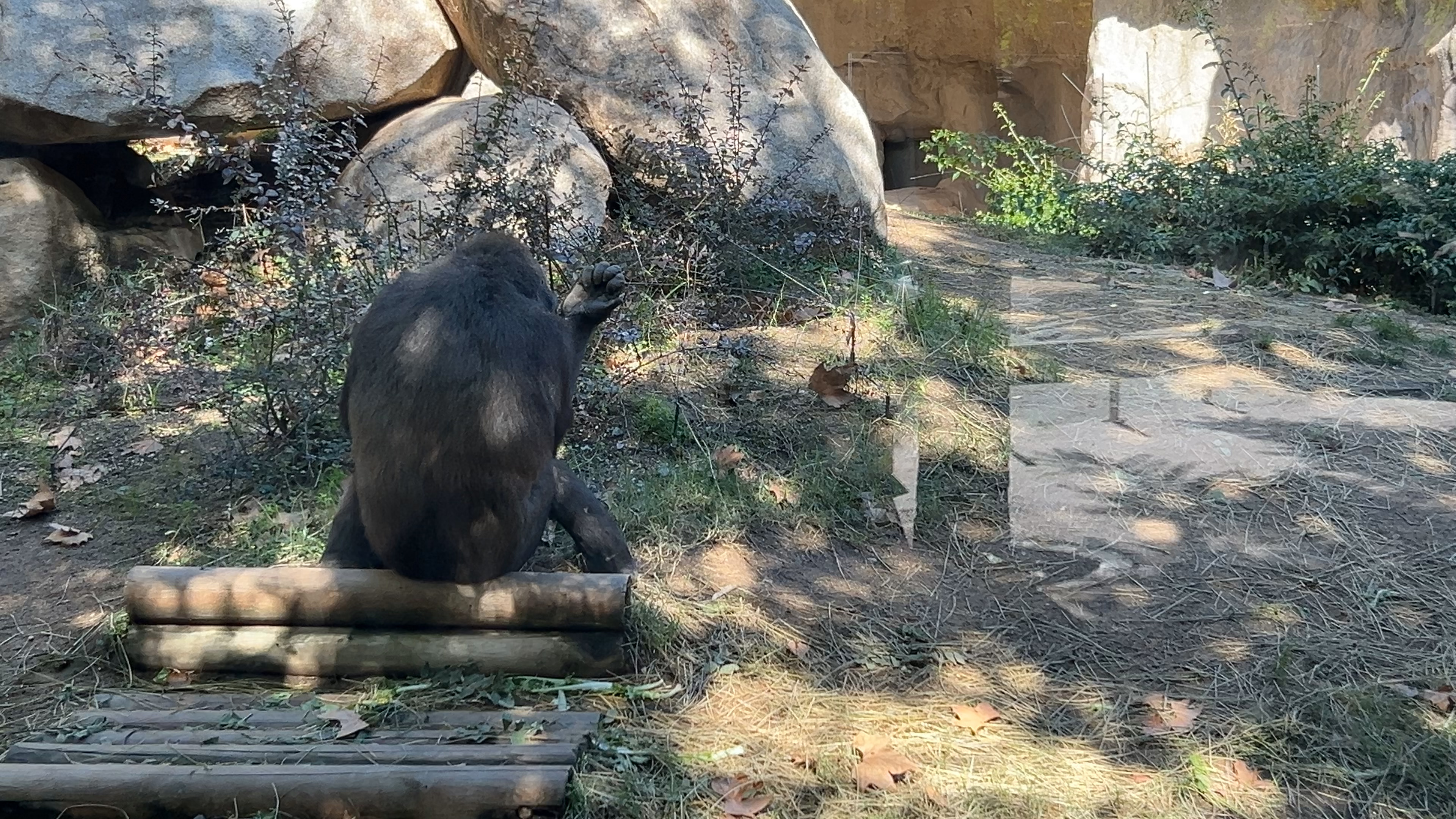
SARAH REVA MOHR’S sensational view, tired screams is dedicated to Barcelona Zoo as an institutionally organised space equal parts care and control. Different perspectives reveal the regime of the colonial gaze and the aestheticisation of power. The zoo becomes an apparatus in which sight, knowledge and hierarchy intertwine.
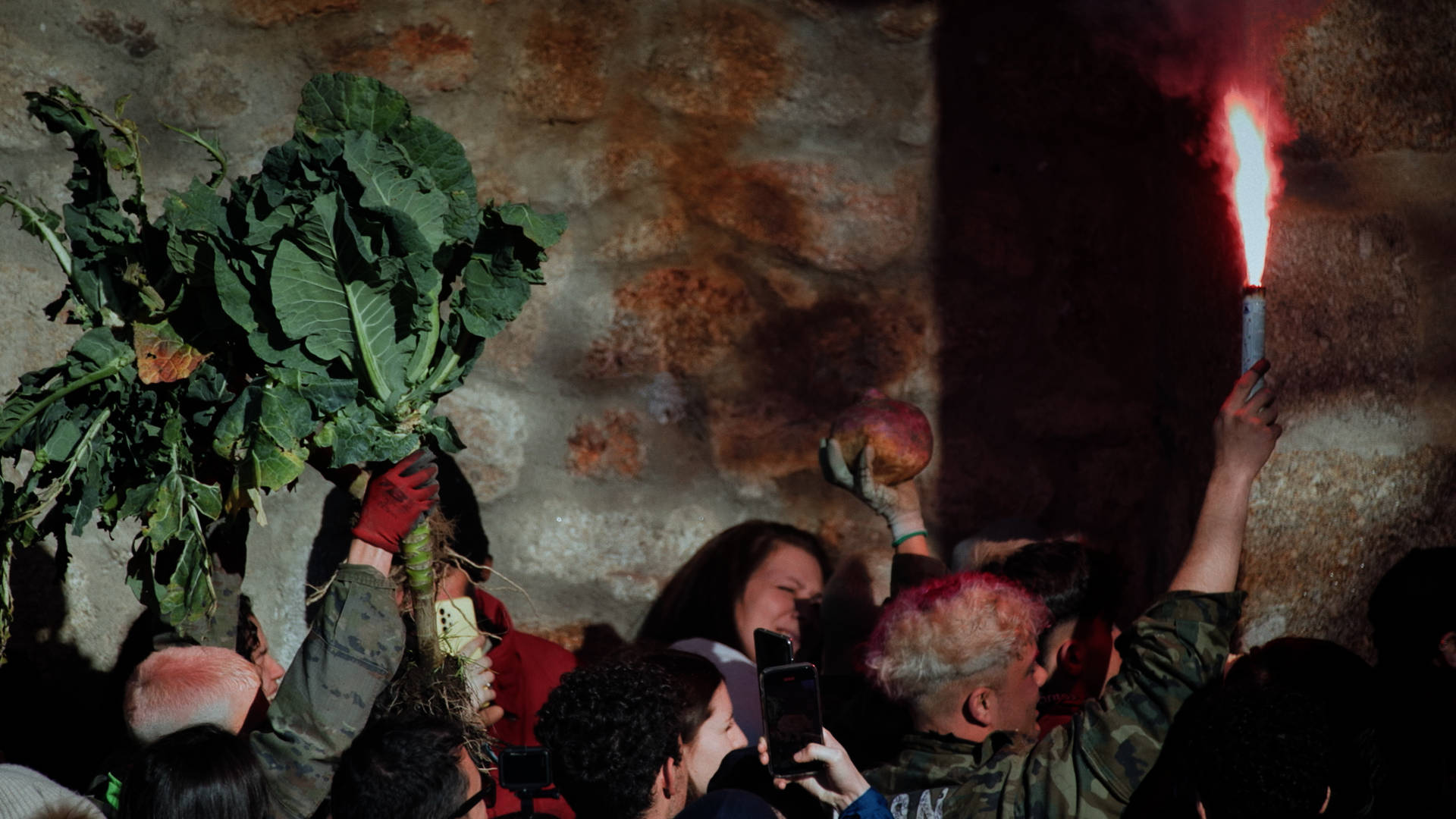
In Jarramplas, YALDA AFSAH sets her sights on a ritual in the Spanish village of Piornal, which involves one of the village’s inhabitants putting on a costume and being pelted with carrots. This film work focuses on the structure of assembly: the intensity of bodies connected in space and the dynamics of collective action. By keeping essential elements of what’s happening outside the frame, the focus is shifted to the mechanisms which form community.
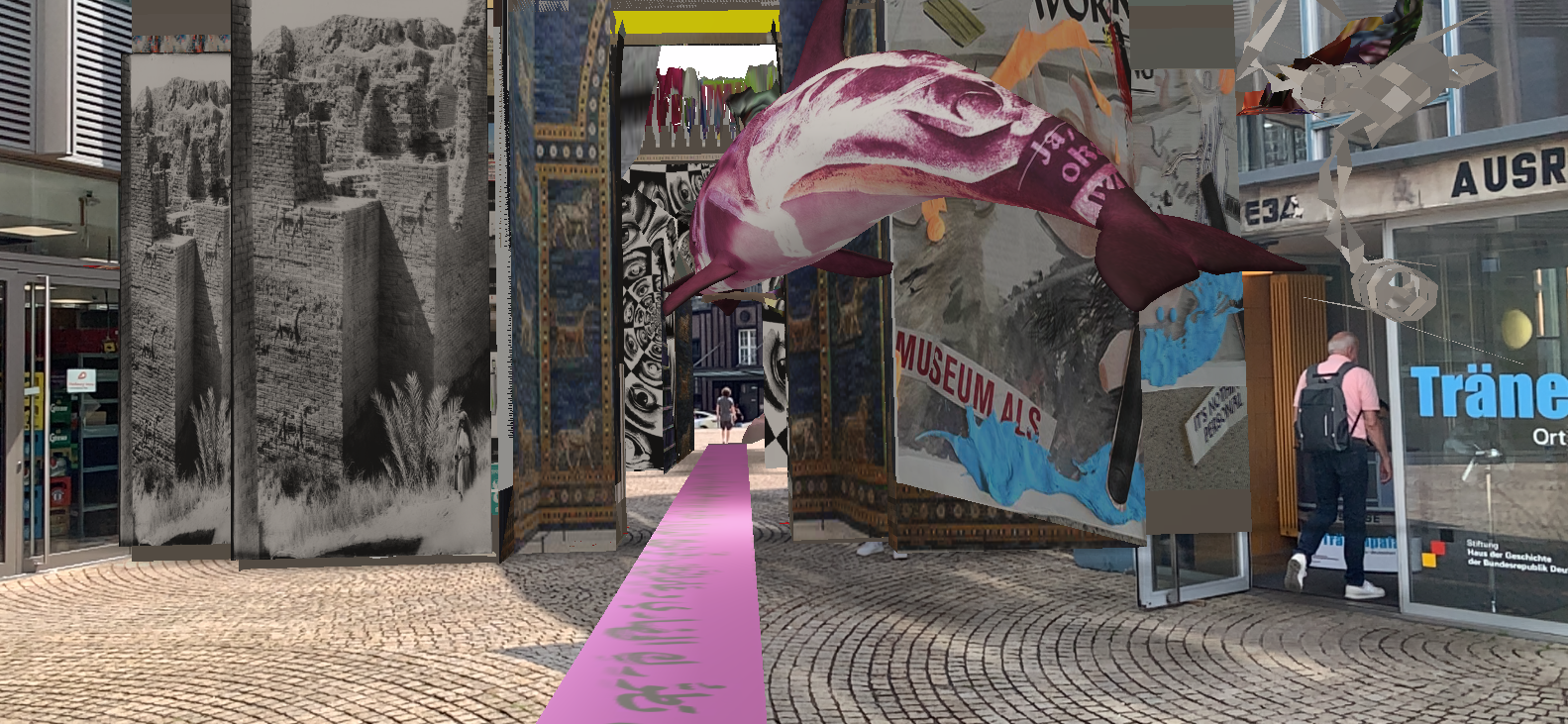
Conceived by the ALTERNATIVE MONUMENT COLLECTIVE, the Alternative Denkmal für Deutschland (ADfD) shifts intuitional remembrance into the public and digital realm. Set up as an augmented reality project, memory is activated here in situational fashion via mobile devices, whereby visual fragments are corrected to narratives of migration, exile and displacement. Memory can be appears as a polyphonic process that resists any final fixed form.
Talks & Workshops
This year’s Talks & Workshops take a hands-on look at the everyday realities of cultural work. Aimed at filmmakers, curators, producers, organisers, and students alike, the programme focuses on how we work – on the ground, in process, and in relation to one another. While we are well-versed in critiquing the counter-productivity of institutions – rightly so – this programme asks a different question: what might productive responses to censorship, institutional cowardice, and collective exhaustion look like?
With a practice-oriented approach this programme centres methodologies that intervene directly: projects that claim public space through digital means such as „Alternative Monument: Migrating Memory” by the Alternative Monument collective. Rooted in queer, feminist, and migrant-centred perspectives this project counters xenophobic narratives and continues to grow through collective workshops.
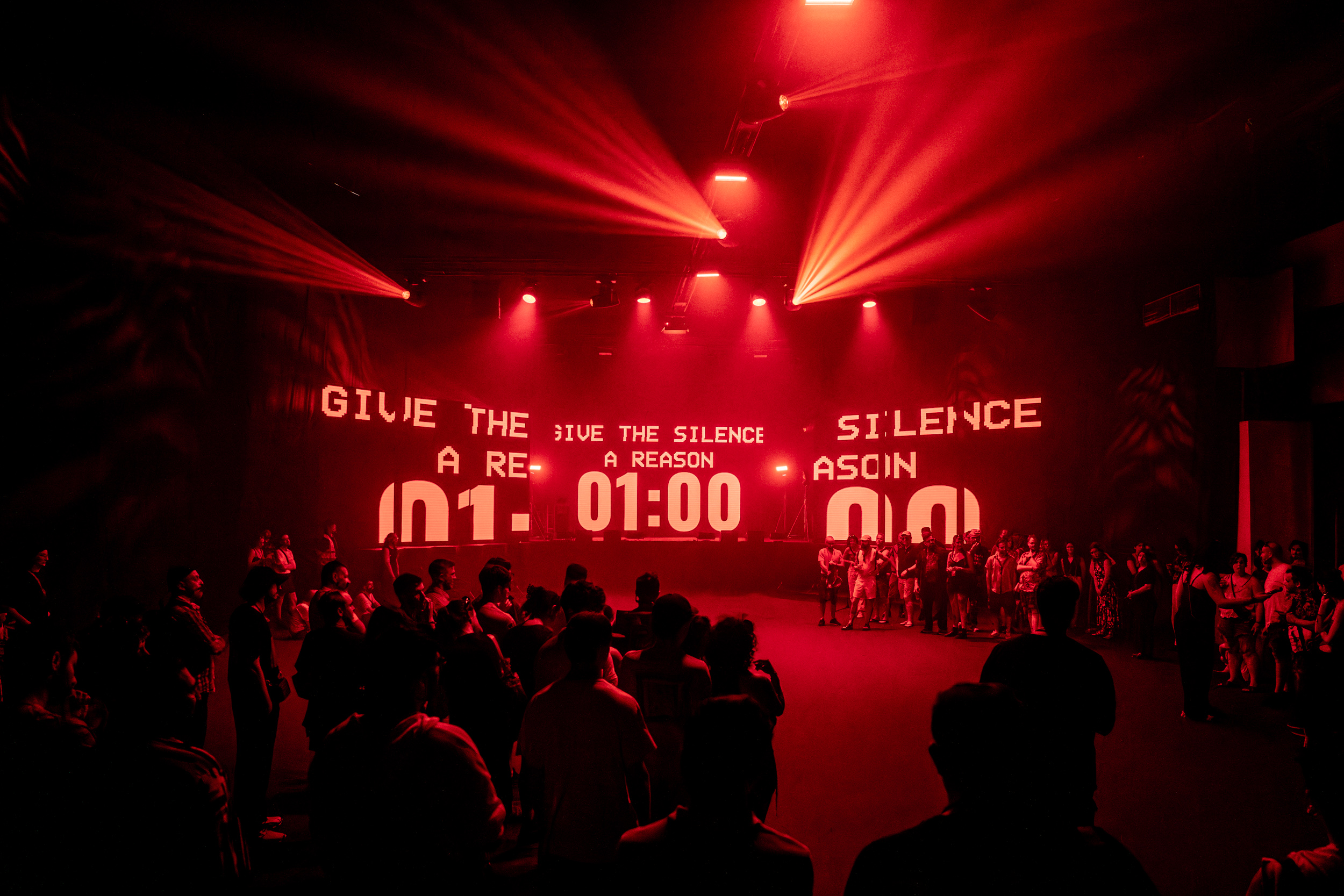
The immersive games and performances by DANIELLE BRATHWAITE-SHIRLEY confront and dismantle entrenched hegemonies. Their work connects archiving as a political practice and gaming as a contemporary collective form for conversations about identity, privilege, and systemic oppression that undermine expectations. Please note that Danielle Brathwaite-Shirley’s performance MAKE THE SILENCE COUNT will be replaced by Amanda Abi Khalil’s conversation „Curating as Hacking“ - Thursday at 15:30. Read more
Moving beyond theory, the programme shares concrete tools of collaboration equipping participants with confidence to intentionally practice different structural approaches in institutions, festivals, and our own work.
Seeking inspiration from peers, a conversation with filmmaker ISIDORA ILIĆ AND GUESTS will offer insights into the protest movement in Serbia that has been successfully occupying educational institutions for over a year in response to government corruption and mismanagement.
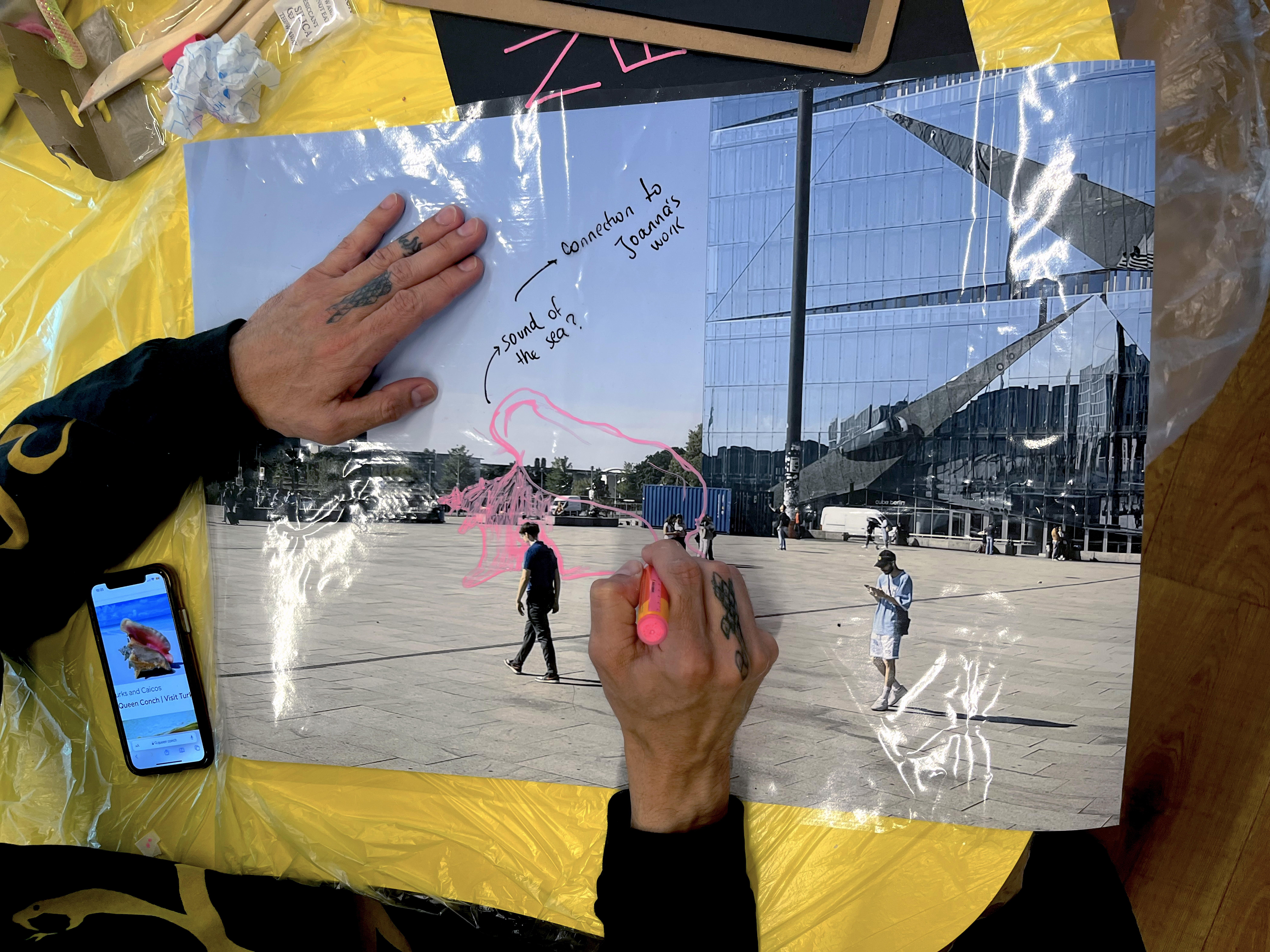
And finally, to counter the crises of imagination and dominance of authoritarian narratives ALICJA ROGALSKA’S workshop-based artistic practice invites participants to playfully apply utopian imaginaries to lived reality. Across this series of talks and workshops, the EMAF audience is warmly invited to rehearse forms of (self-)organising within existing frameworks while also provoking and bending them.
Campus
The campus involves classes and groups from art schools and universities showing current works and projects specially produced for the festival. This year, students from The Hague, Gent, Karlsruhe, Bremen and Osnabrück are our guests at the EMAF, with their installations, sculptures, performances and guided tours taking over art spaces and public settings.
In the HFK BREMEN project headed by Any Jackson Chaturanga, a gymnasium becomes the starting point for an exploration of bodies in expectation and movement. In individual and collective choreographies, they try out what can be heard, said and experienced within the framework of set structures.
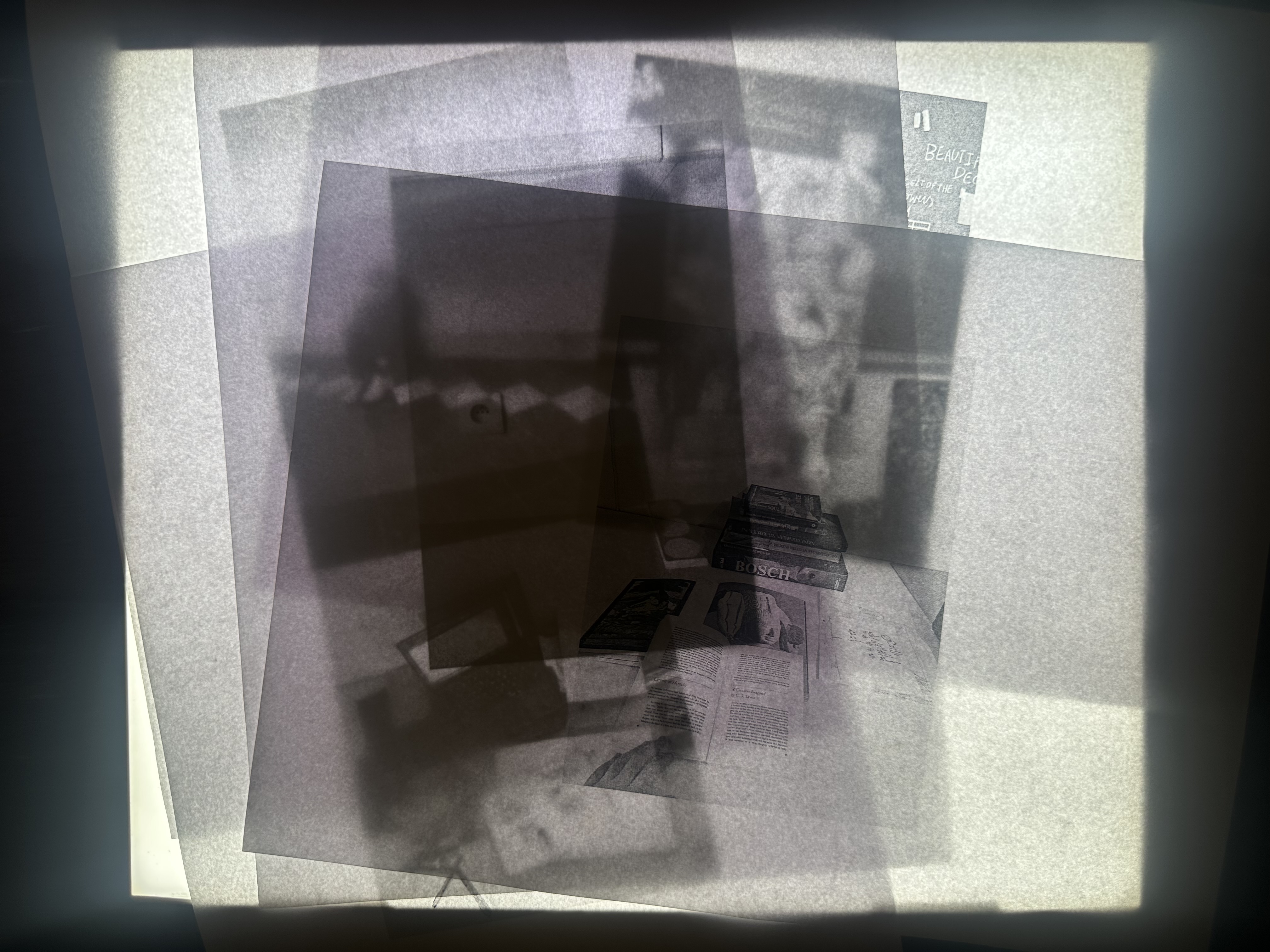
Visual and sound artists from the LUCA – SCHOOL OF ARTS develop screenings and interventions in public space which are created in collective dialogue with the location. They unfold as a sort of a composition in real time that interrogates the politics of the everyday places they find.
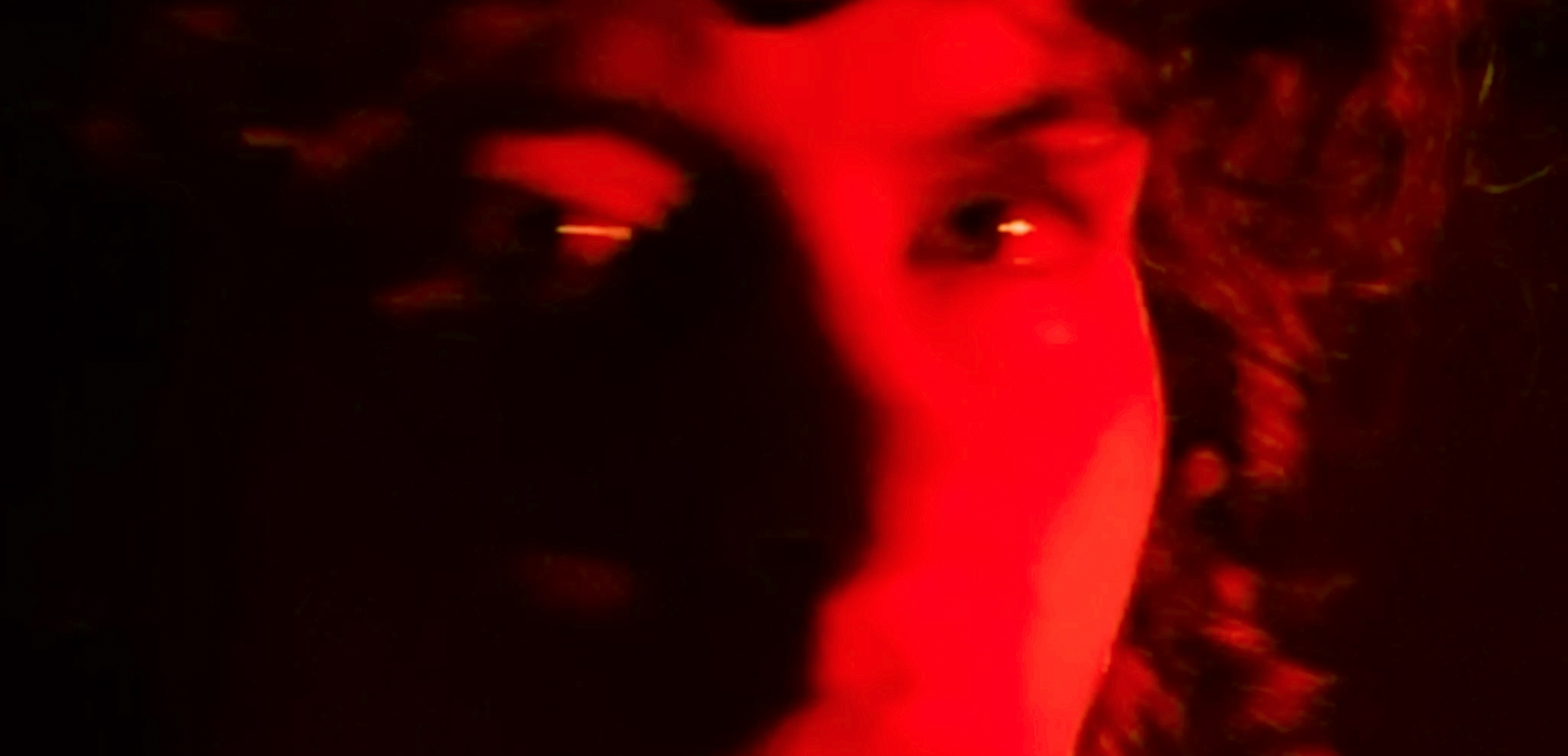
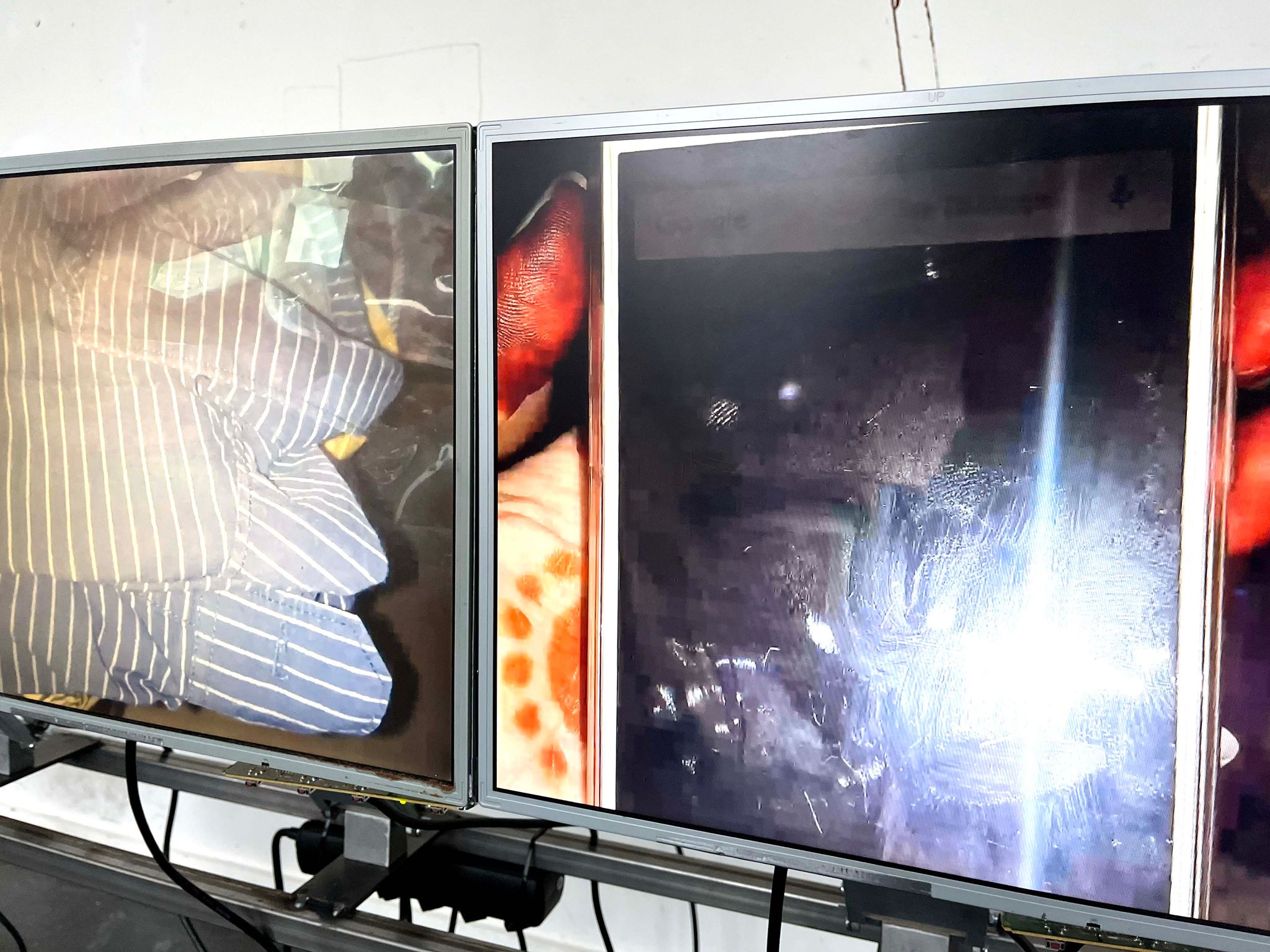
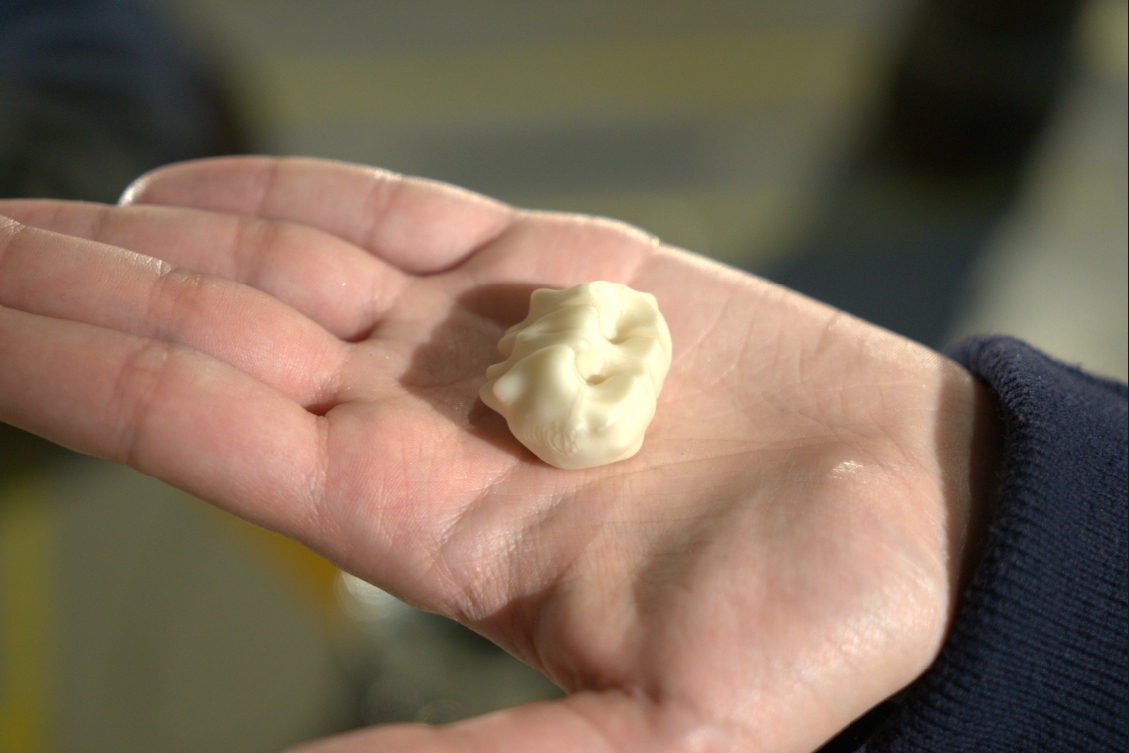
The Master programme in Artistic Research at the ROYAL ACADEMY OF ART, THE HAGUE is represented with video works, installations, sculptures and performances that revolve around pattern formation and repetition, infrastructures and subversion or the materialism and movement of memory.
The HFG KARLSRUHE’S Colonial Crimes Unit uses forensic and speculative methods supported by a specially developed technological aid in order to track down and apprehend human and non-human witnesses of colonial crimes in Osnabrück’s urban area.
The works of the Institut für Kunst/Kunstpädagogik at the UNIVERSITÄT OSNABRÜCK weave together academic research, technology and artistic practice. They deal with the open process between sets of rules and imagination and ask how other codes, temporary alliances and hybrid places of learning might be created.
The MUSIC AND ART SCHOOL OSNABRÜCK is developing a spatial installation that grapples with visible and invisible institutional structures and codes.
HFK Bremen
Royal Academy of Art, The Hague
Royal Academy of Art, The Hague
Royal Academy of Art, The Hague
Sofie Bussé, Ray Hindryckx, Nora Keilig, Susan Smith
LUCA – School of Arts, Gent

Lilly Brüning, Jona Xaver Bundschuh, Jonas Diekhaus, Frauke Düvel, Katharina Hanneken, Max Von der Heide, Leona Knaul, Fritzi Wagner
Music and Art School Osnabrück
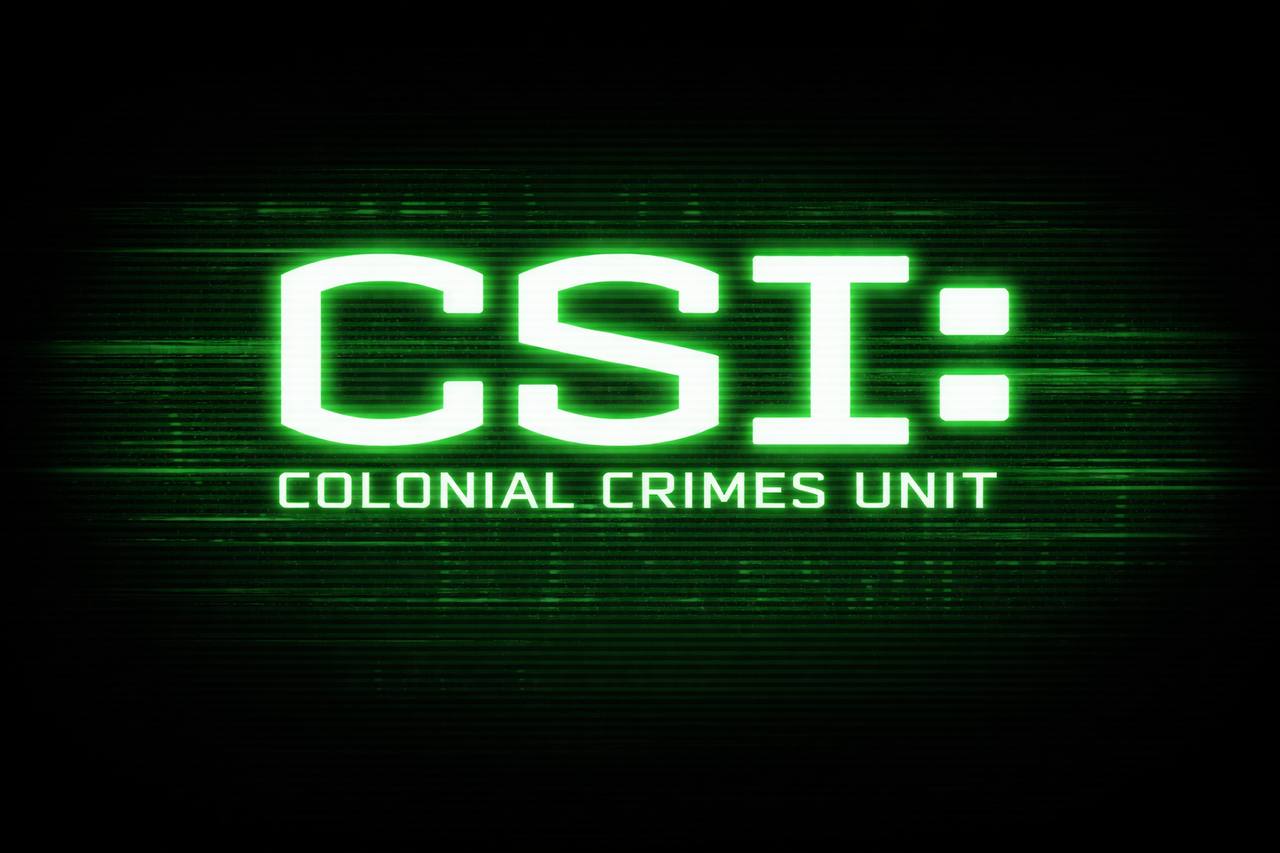
India Marie Adams, Ege Bayraktar, Leander Blaschke, Seungeun Lee, Luna Labenz, Rosa Maas, Anna Manakina, Feng Qianqian, You Qi, Helin Ulas, Rroomba H-1648
HFG Karlsruhe
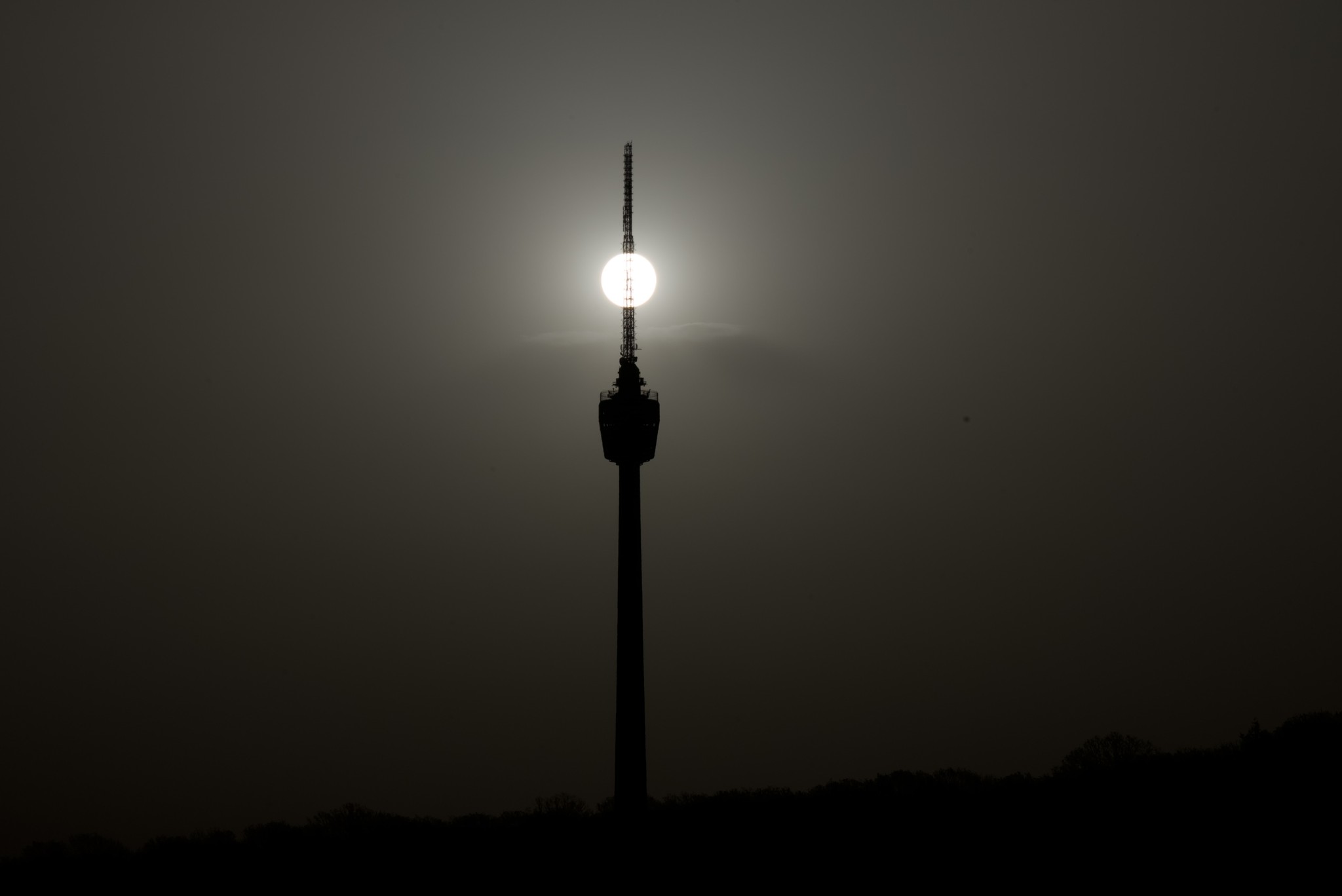
Osnabrück University
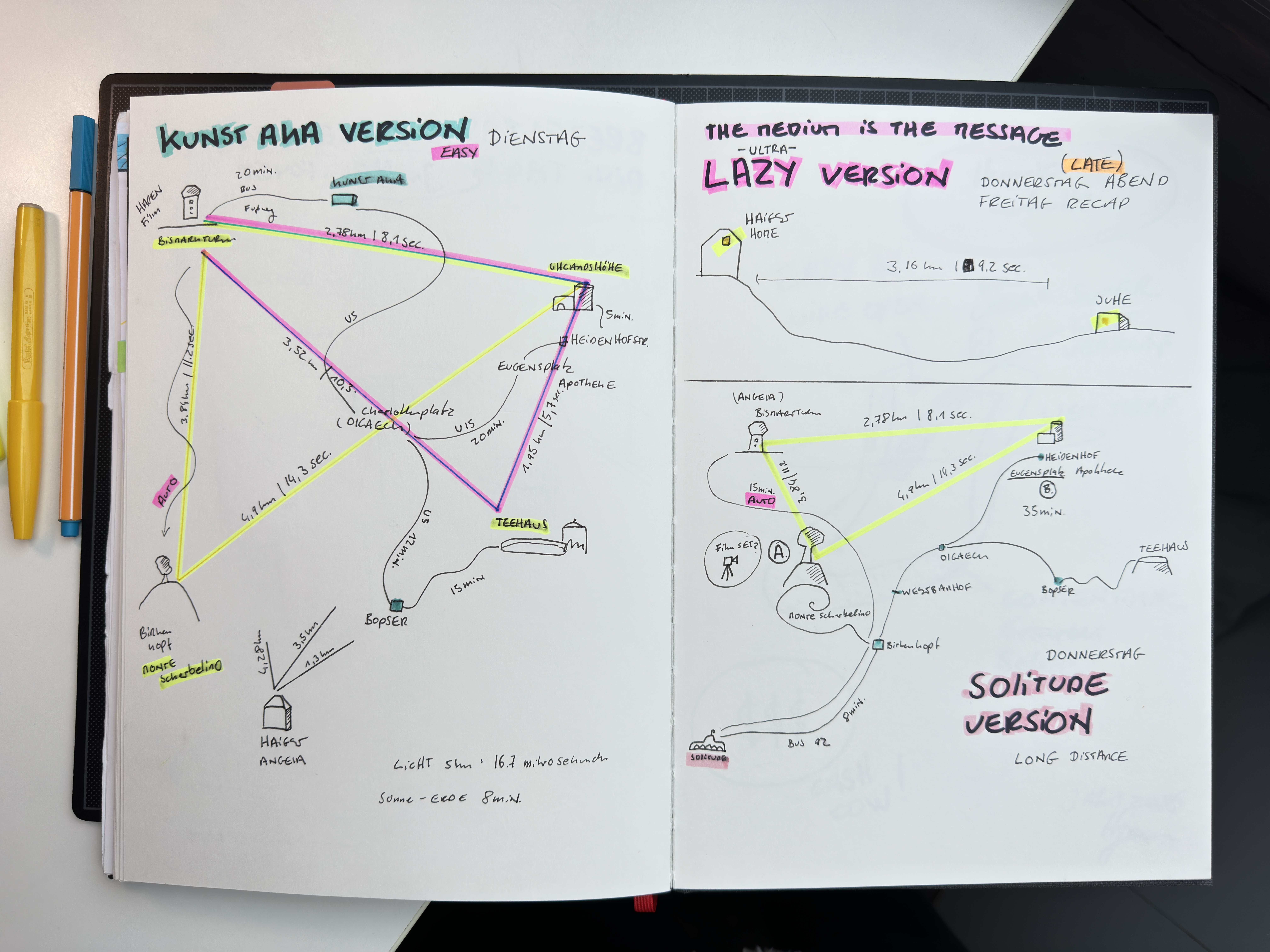
Osnabrück University